
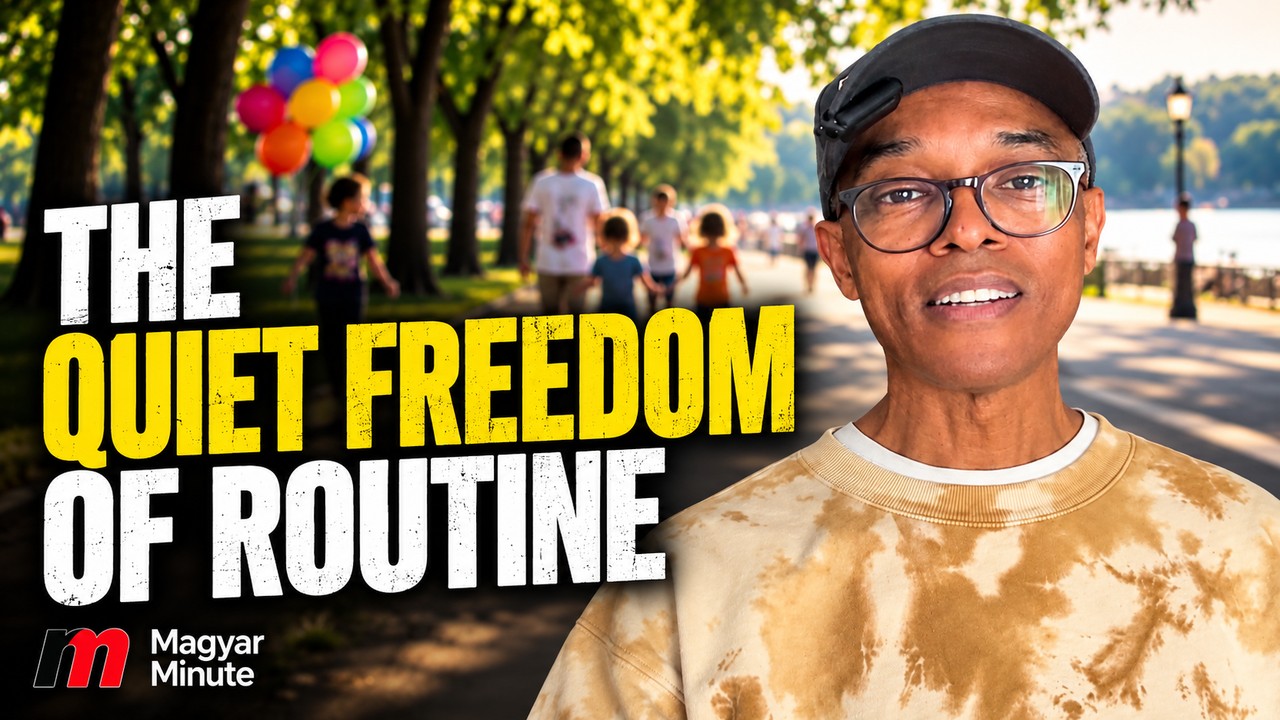
The Quiet Freedom Of Routine: Visa Limbo And A Children’s Day In Hungary
A life built on the absence of routine starts to crave it, somewhere between visa paperwork and a sanctuary full of rescued bears. On Children's Day in Hungary, the waiting and the wandering turn out to be the same lesson.
Notes
For most of his adult life, Ray treated routine as something to escape. Years as a music producer and performer meant a calendar that reshuffled itself constantly. Years building businesses meant the same, a schedule invented and reinvented from one morning to the next. Twelve hours of work one day, a long coffee and a blank page the next. For a long time that shapelessness felt like the whole point. It felt like freedom.
What has changed is not the schedule so much as the way he reads it. Routine, he has started to notice, is not the opposite of freedom. It is a kind of scaffolding. When the small decisions are already made, the day stops asking you to reinvent yourself before breakfast. You get up and do the things you said you would do. For someone who spent decades without that structure, the appeal arrives late but clearly, and it arrives most sharply through his son.
Watch a small child and the architecture is obvious. Wake, play, eat, play, rest, repeat, the same loop drawn in bold lines every single day. Adults like to think they have outgrown it, but the truth is only that the lines have faded. The route to work, the coffee that is always the same coffee, the side of the bed, the people you call, the worries you return to like a worn path. The question is never whether you have routines. It is whether they are carrying you forward or quietly holding you in place.
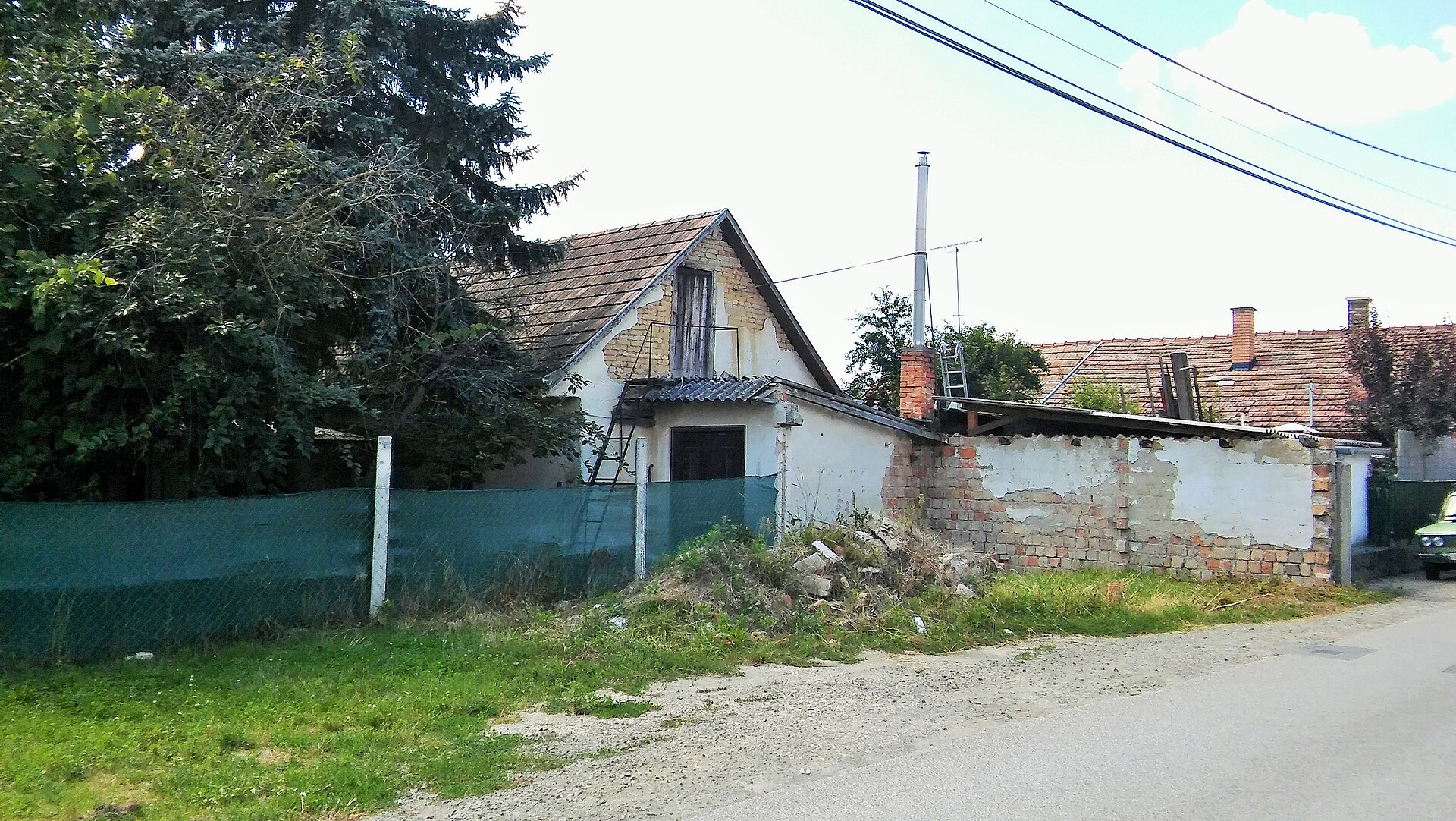
Some routines are not chosen at all. This spring Ray has been living inside one of the least glamorous of them, the Hungarian residence process, handled this time more on his own and, by his own admission, not entirely to plan. The result is a limbo familiar to anyone who has moved countries: technically a tourist, technically waiting, his near future sitting in a folder on someone else’s desk. Hungary runs these permits through the National Directorate-General for Aliens Policing, and the experience teaches one lesson fast. Waiting becomes its own routine. You do the part that is yours to do, then you hand the rest to people in offices and to time.
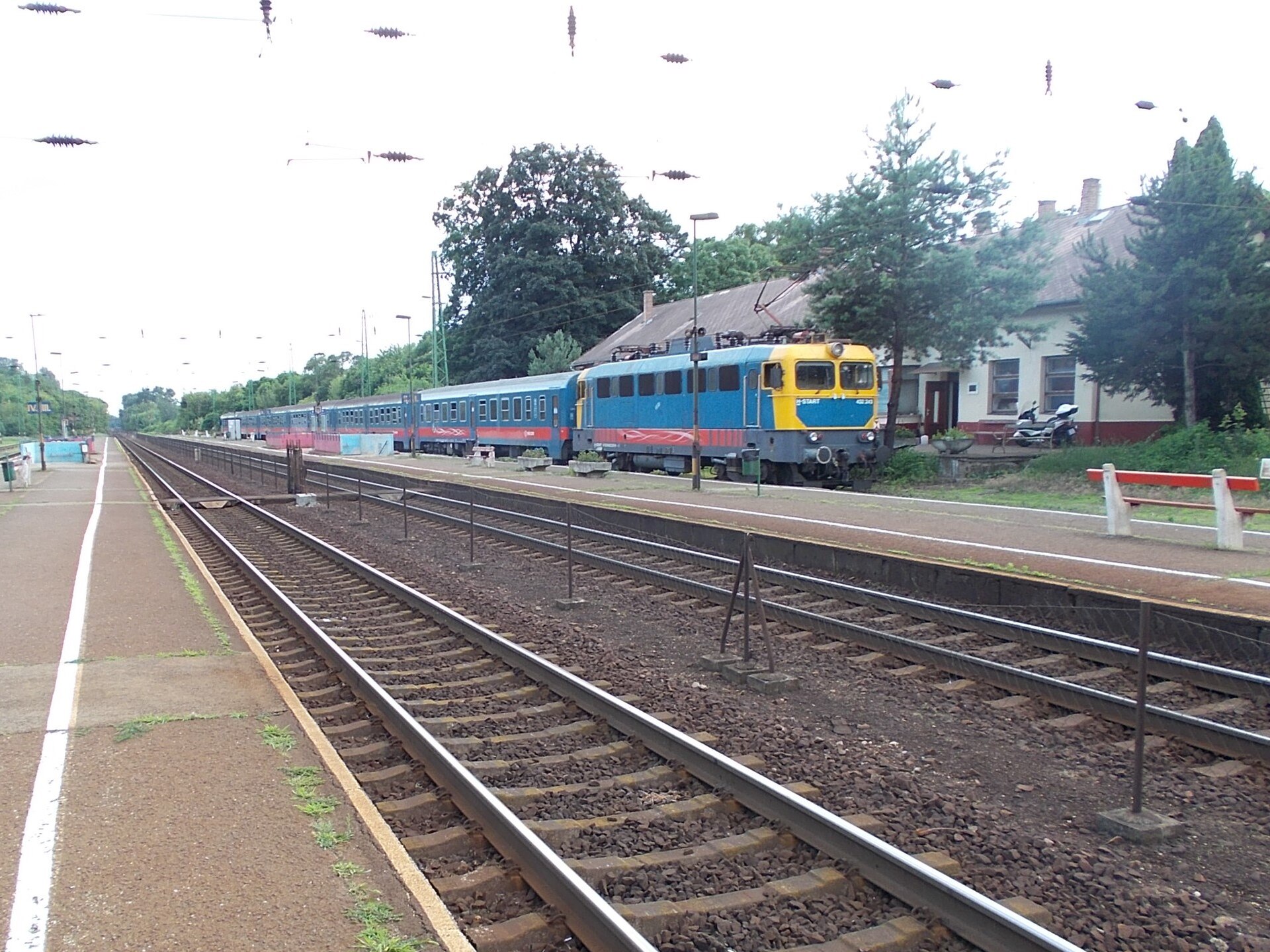
The antidote to all that waiting arrived, fittingly, on Children’s Day. Hungary has marked Gyermeknap on the last Sunday of May since 1950, and this year that landed on the thirty-first, a countrywide cue to point the weekend squarely at the kids. Ray and his son pointed it north. A train to one small town, a second train to a smaller one, and then a walk long enough to feel like part of the adventure, out toward Veresegyhaz in Pest county.
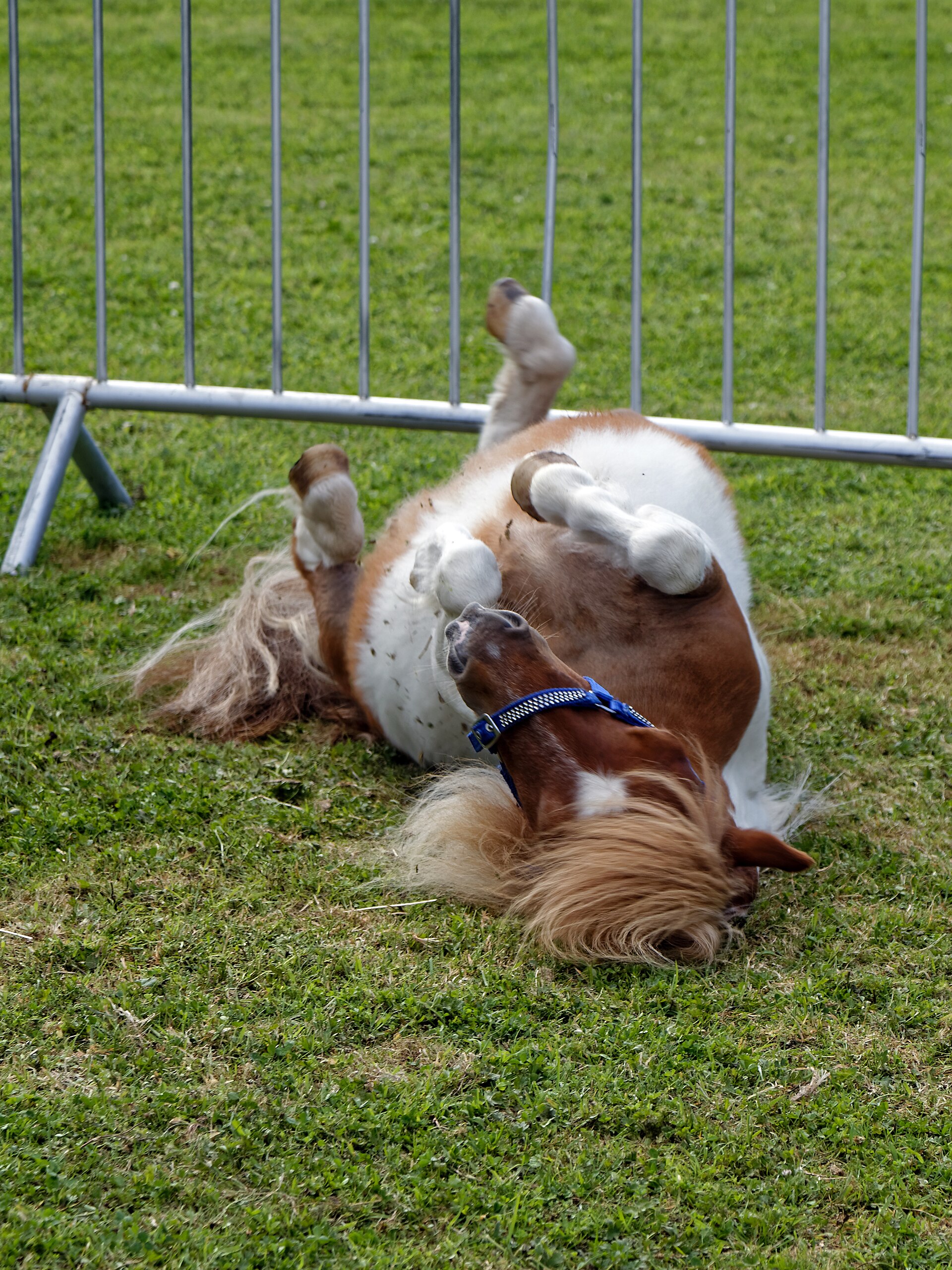
The first stop was Minifarm, a small children’s farm on Patak utca with animals, pony rides, and a fleet of little electric cars. If you know his son, you know how this went. The boy loves cars, found the electric ones, and promptly drove around as though he had bought the place, reversing, pulling forward, fully in charge. The only real crisis of the day came when it was time to climb out, a meltdown of pure two-year-old conviction that more or less guarantees one of those cars is in their future.
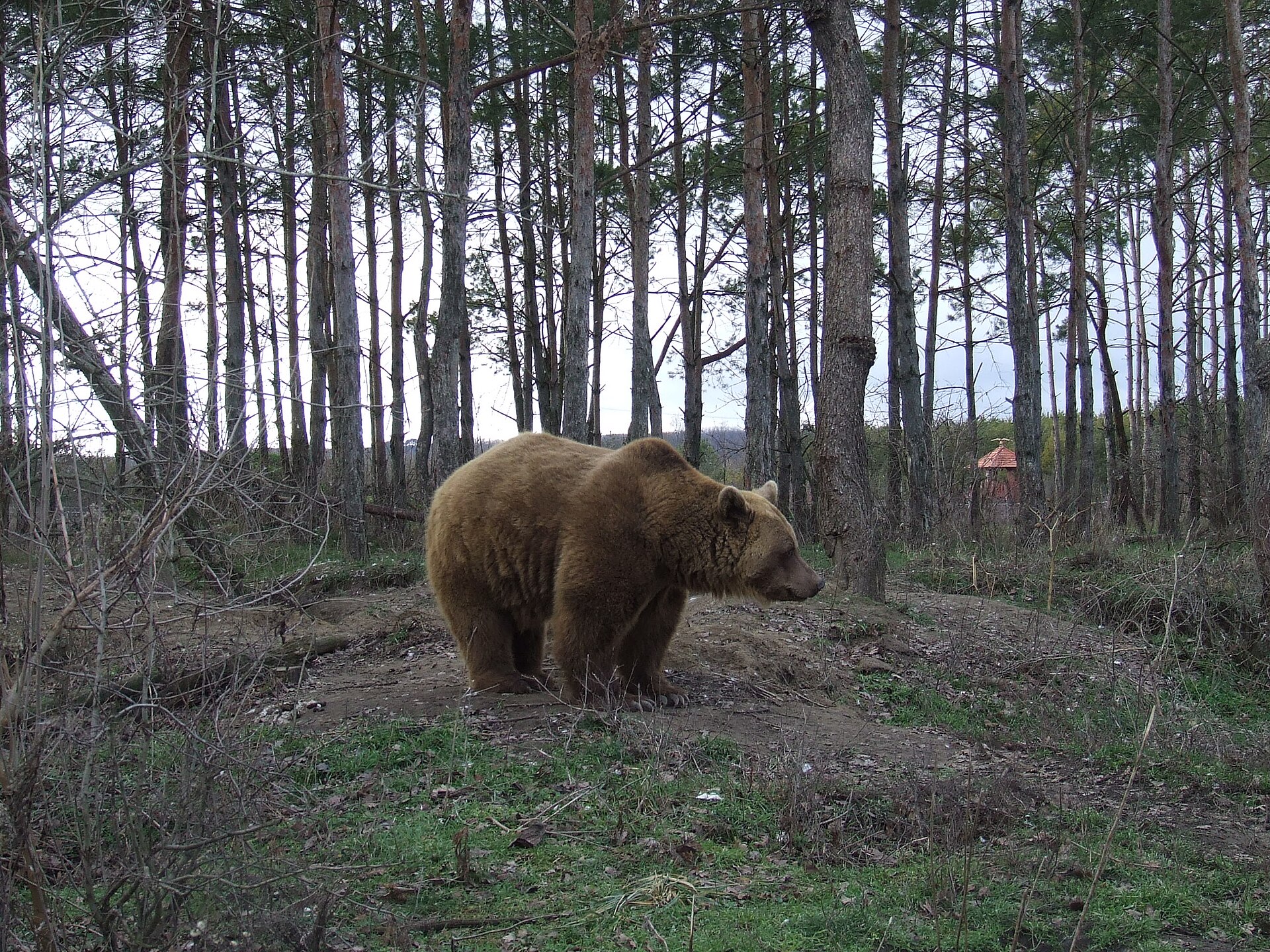
A short way along the same street sits the reason the town draws visitors from all over the country: the Medveotthon, Veresegyhaz’s bear sanctuary. It is home to dozens of brown bears, many rescued from circuses and films, and what catches a newcomer off guard is the proximity. You stand close, closer than an American instinct expects to be allowed, near enough to feel that this is real. The bears genuinely impressed the grown-up in the group. His son, having already met the electric cars, stayed politely unmoved. There is a small lesson tucked in that gap. The thing you find astonishing is not always the thing that lands for someone else, and a two-year-old keeps his own scoreboard.
The other quiet project running underneath all of this is the very place you are reading. Ray has been building a home online for these stories and the context behind them, with one rule that mattered from the start: it had to live in both English and Hungarian, so the country he is writing about can read it too. You are on it now.
Routines, visa paperwork, a Children’s Day, a bear sanctuary, a small boy in an electric car, a website built in two languages. A little bit of everything, which may be the most honest description of a life there is. You make the plans. The waiting, the walking, and the surprises fill in the rest.
Fact Check
We checked the claims in this video against the record.
VerifiedEverything in this video holds up. The names, dates, and figures all check out.
Spot something off in this video?Suggest A Correction
Mentioned In This Video
Places
- MinifarmA small children's farm on Patak utca in Veresegyhaz with animals, pony rides and little electric cars. The first stop of the day.View Map
- Medveotthon (Veresegyhaz Bear Sanctuary)Home to dozens of rescued brown bears, a short walk from the Minifarm on the same street. Visitors can get strikingly close to the enclosures.View Map
- VeresegyhazThe small town in Pest county north of Budapest where both attractions sit.View Map
Sources & References
- National Directorate-General For Aliens PolicingThe Hungarian authority that processes residence permits, the office behind the waiting described in the video.
Related Links
- Children's Day (Gyermeknap) In HungaryHungary has marked Children's Day on the last Sunday of May since 1950. In 2026 it fell on May 31.
Want The Full Transcript?
Get a clean, printable PDF of this video's transcript. Drop your email and we'll send it over.

Share This Story
Point a phone camera at the code to open this page, or download it to share anywhere.
Download QRWhat Has Raising A Family In Hungary Taught You?
Tell Ray
Share Or Use This Story
Pass It On. Give It A New Audience.
Share the link with someone who would enjoy it, or use the cover and suggested caption to introduce the story.
Get The Cover And Caption
 Download Landscape Cover ↓Request Permission To Republish →
Sharing a link is welcome. Republishing the article, video, or images requires permission.