
Hungary’s Hidden African History: The People Who Have Always Been Here
A stranger's Tupac shirt on a Budapest tram sent me down a rabbit hole that runs back three centuries. Here are the names, the faces, and the history the video left out: the Black and African people who have been part of Hungary far longer than anyone expects.
Notes
If you came here from the video, you already know the setup. I was on a tram, a guy out on the street was wearing a Tupac shirt, and we caught each other through the glass for about four seconds. He will never know I actually met Tupac once, years back, at a festival I was performing at. We hung out backstage for a good while. There is a photo of it somewhere. To him, Tupac is a face on a shirt. To me, he is a guy I sat and talked with. Same person, two completely different worlds, one pane of glass.
I kept the video short and I left all the names out on purpose. Partly because you would not remember them anyway, and partly because the real story is too good to cram into a minute. So this is the long version. This is where the names live.
The thread I kept pulling on is simple. Black people have been part of Hungary for a very long time. Not as a recent headline, not as a debate, just as a quiet fact that has been true for centuries. Once I started looking, I could not stop finding it. Let me walk you through it roughly oldest to newest, because the age of it is the whole point.
First, Let Me Clear Out A Myth
If you go searching for “Black Hungarians,” you will trip over something from the Middle Ages almost immediately. Medieval sources from around the ninth to eleventh centuries mention a group called the Ungri Nigri, literally the “Black Hungarians.” It sounds like a smoking gun. It is not.
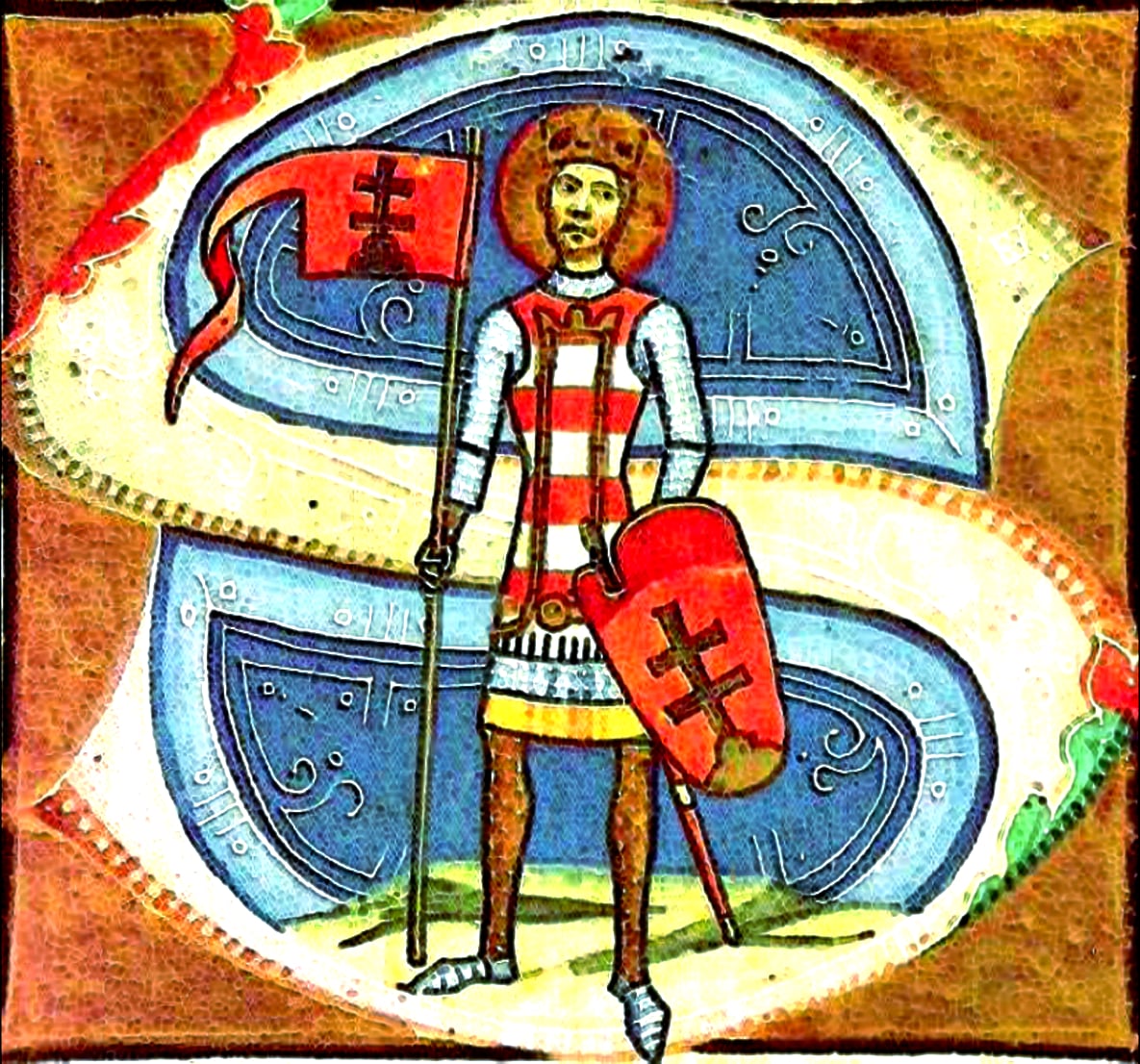
Those “Black Hungarians” were almost certainly not African. The best read among historians is that they were the Kabars, a Turkic people who had joined up with the Magyar tribes, and that “black” was being used the way old chronicles loved to use it, as a symbol of otherness, of the pagan, of the not-yet-Christian. King Stephen I, the man who turned Hungary into a Christian kingdom, brought them to heel around the year 1008. So if anybody waves the “Black Hungarians” name at you as proof of something, that is a dead end. I am starting here on purpose, so we do not build the house on sand. The real story does not need the myth. It is better than the myth.
The Man Who Was A Friend Of The Emperor
Here is where it gets almost unbelievable, and it is completely real.
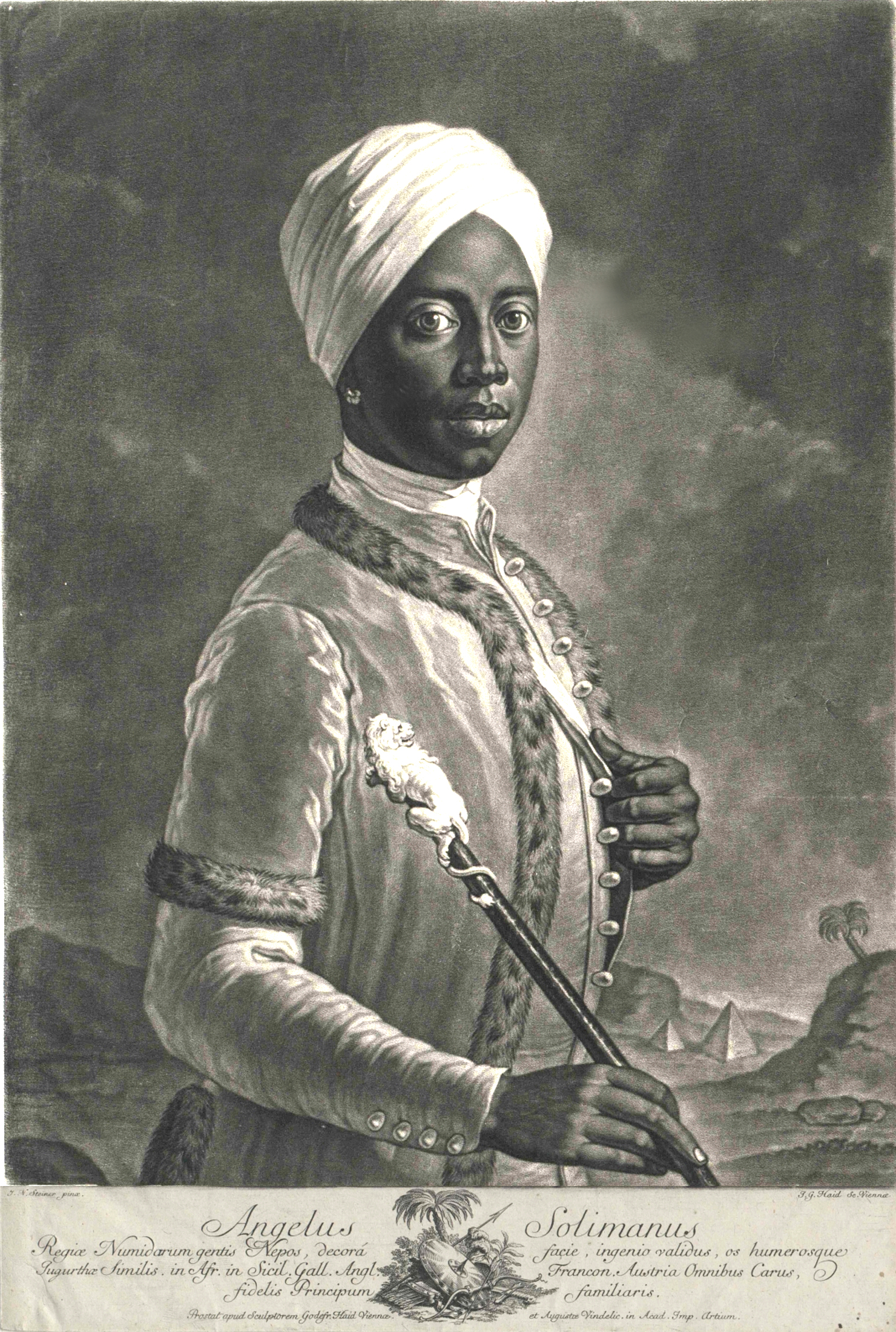
His name was Angelo Soliman. He was born somewhere in Africa around 1721, with the birth name Mmadi Make, and as a child he was stolen, trafficked across the sea, and passed between European households like property. That is the brutal opening of his life, and I am not going to dress it up. But what he built from inside that cage is staggering.
He ended up in Vienna, inside the orbit of the Habsburg aristocracy, and he climbed. He became a tutor and head steward to the princes of Liechtenstein. He spoke six languages. He was so respected for his mind that Emperor Joseph II counted him as a friend, an actual friend, not a curiosity kept around for show. He joined the Freemasons and rose to become Grand Master of his lodge, the same Masonic world Mozart belonged to in that same city at that same time. Sit with that for a second. A man trafficked out of Africa as a boy became one of the sharpest minds in the imperial capital and a brother to the people who ran it.
And then there is the ending, which is the part that should make you angry. After Soliman died in 1796, the authorities took his body, skinned and stuffed it, and put it on display in the imperial natural history collection as a “noble savage,” dressed up in feathers, like an exhibit. His own daughter begged them not to. They did it anyway. His remains stayed there until a fire destroyed them in 1848. A man who out-thought an empire was turned into a diorama by it. That contradiction, the respect and the dehumanization sitting right next to each other, tells you almost everything about how Europe held its Black residents close and at arm’s length at the same time.
One small precision, because I want to be accurate with you. Soliman lived in the 1700s in the Habsburg Monarchy, centered on Vienna. That is before 1867, the year Austria and Hungary merged into the dual monarchy people call Austria-Hungary. So when I say “the empire” for Soliman, I mean the earlier Habsburg realm that Hungary was part of, not the later Austria-Hungary. The point holds either way. He was a giant inside the world Hungary belonged to.
The Soldier Who Fought Just To Be Called Hungarian
This next one I have to be straight with you about, because I care more about telling you the truth than telling you a clean story.
During the First World War, around 1915, Hungarian newspapers ran a remarkable story about a Black soldier serving in the Austro-Hungarian army. The papers called him the “szerecsen honved,” roughly the Black Hungarian soldier. The story went that he had come to Hungary as a boy, worked as a doorman at a cinema in Nagyvarad (today Oradea, in Romania), spoke fluent Hungarian, and petitioned over and over to be allowed to enlist even though he was a foreign national. He got his wish, fought on the Russian front, and made corporal. What he wanted, more than anything, was to be counted as one of them.
Here is the honest part. This man is semi-legendary. The wartime press could not even agree on his name. Some papers called him Simon Perris, others Ali Mahmud, others something else again. They disagreed on where he was born, whether it was the Congo or Senegal, and on what became of him. It all traces back to sensational wartime newspapers, which were not exactly fact-checking operations. So I am not going to recite his biography as settled fact, because it is not. What I will say is that the core of it, a Black man in that army who pushed hard to be recognized as Hungarian, shows up in the real record of the time. The details are smoke. The man, in some form, was there.
Scholarships Behind The Iron Curtain
Now we jump from individuals to a whole wave, and this is the part that connects the deep history to the people you can actually meet in Budapest today.
During the Cold War, from roughly the 1950s up to 1989, the Eastern Bloc played a long game in the newly independent countries of Africa. One of the friendliest-looking tools in that game was education. Hungary, along with the rest of the socialist world, handed out scholarships to students from across Africa. Come study here for free, become an engineer or a doctor or a lawyer, then go home and remember who helped you. Plenty of students came. Many earned their degrees. And a good number of them did not go home. They fell in love, started families, built careers, and quietly became Hungarian.
That is the backbone of the community here today, somewhere around three to four thousand people of African descent, most of them in Budapest, a mix of those Cold War student families and people who arrived after 1989. If you want the serious version of this history, the University of Pecs has an Africa Research Centre that studies exactly this, and the scholar Istvan Tarrosy has written a lot about Hungary’s relationship with Africa. There is also a great academic project called Black Central Europe that collects the primary sources, and it is especially strong on Soliman.
I did not know any of this when I met the people I am about to tell you about. I just kept bumping into the same quiet truth, one person at a time.
The People I Actually Bumped Into
Years ago I was seeing a woman here, and we used to take her dog out and walk around her neighborhood. One day the dog needed the vet, and the vet turned out to be a Black man. So of course I got to talking with him, because that is what I do. He told me he had come to Hungary as a student years back and just never left. This was home now. At the time it was just a nice chat. Now I know he was one chapter in that scholarship story, a story decades older than him.
Around the same time, somebody showed me videos of a singer everybody here seemed to know, and I figured he was just a funny guy on TV. His name is Fekete Pako, born Oludayo Olapite in Nigeria. He came to Hungary in 1994 on a scholarship to study law, dropped out, and went into television and music instead, selling tens of thousands of CDs and becoming a genuine household name. I want to be fair about him, though, because he is a complicated figure here. Some people see him as a feel-good integration story. Others, including voices inside the African community, see him as a tabloid caricature, a guy the media propped up to be laughed at. Both of those things can be true at once, and I think the honest move is to hold them together rather than flatten him into a hero or a punchline.
Then there was the festival. A friend of mine, a singer himself, brought me to a summer festival and introduced me to a band. The woman out front had a voice that stopped me. Her name is Sena Dagadu. She was born in Ghana to a Hungarian mother, a jewelry designer, and a Ghanaian father, an engineer. She moved to Budapest in 2001, the day before her eighteenth birthday, to connect with the Hungarian side of herself, and she became one of the most recognizable voices in the country. The band was Irie Maffia, a Hungarian crew that has been blending reggae, dancehall, hip-hop and funk since 2005. Another member, MC Kemon, came to Hungary from Grenada, played football for MTK Budapest in the early 2000s, then switched lanes into music. There is a small detail about Sena I love. In an old interview she said that as a kid she wanted to be a veterinarian. Which loops me right back to that vet on the dog walk. The city keeps rhyming on me like that.
The Mirror Image: The Magyarabs
Here is one more, and it runs in the opposite direction, which is exactly what makes it so beautiful.
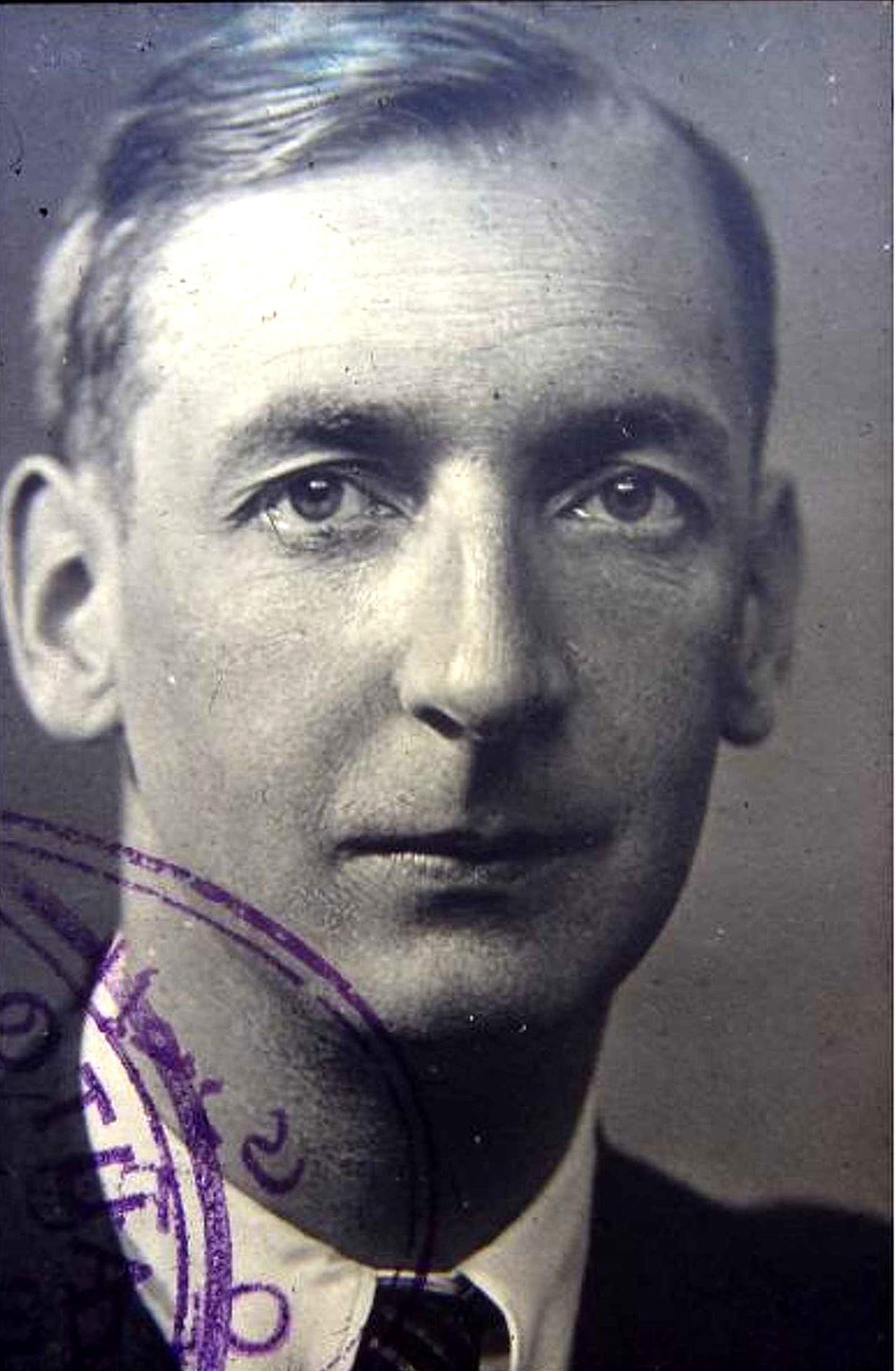
Down in Nubia, along the Nile where Sudan meets southern Egypt, there are communities of people called the Magyarabs. They trace their ancestry back to Hungarian soldiers from the Ottoman era, men who ended up that far south centuries ago and never came back. The name itself tells the story. “Ab” means “tribe” in Nubian, so Magyarab is roughly “the Magyar tribe.” They do not speak Hungarian anymore. But they have held onto a Hungarian identity in their collective memory for generations, as something they simply are. The Hungarian desert explorer Laszlo Almasy, the real man who inspired The English Patient, reported on them after an expedition in the 1930s.
Think about the symmetry of that. Here I am writing about Africans who became Hungarian. And out there in the Nubian desert is a community of Africans who have considered themselves distantly Hungarian for hundreds of years, looking back toward a country most of them will never see. Belonging does not always travel in the direction you expect.
They Were Always Here
So that is the thread. From a stolen child who became a friend of an emperor, to a soldier who fought to be counted, to a generation of students who stayed, to a singer from Ghana who became one of Hungary’s great voices. People love to worry about outsiders showing up. But the outsiders have been part of this place the whole time. They helped build the idea of it.
That is the thing I keep coming back to, walking around this city, raising a kid here, looking at strangers through tram windows. You are never as far from a stranger as you think. That guy had a piece of my world on his chest, Tupac, somebody I actually sat and talked with, and he will never know I have got a piece of his. We spend so much time deciding who belongs here, and we miss the best part. We have been quietly belonging to each other the whole time.
Look closer. That is the whole game.
Where To Connect With The Community Today
If you want to go past the history and into the living community, a few organizations are doing real work in Hungary right now: the United African Diaspora Community of Hungary, the African-Hungarian Union, the African Women Association Hungary, and the Budapest-based charity Foundation for Africa. Links to all of them, and to every name in this piece, are in the references below.

Fact Check
A few points from the video, checked against the record.
In The VideoThe video says there was a Black soldier in the army of Austria-Hungary who fought just to be allowed to call himself Hungarian.
Setting It StraightTrue in spirit, and he does turn up in real 1915 wartime newspapers, but he is a semi-legendary figure. The press of the day could not agree on his name (Simon Perris, Ali Mahmud, and others) or his birthplace, so the vivid details should be read as period journalism rather than settled fact. The core point stands: a Black man served in that army and pushed to be recognized as Hungarian. Source
In The VideoThe video describes a man stolen out of Africa as a child who became one of the most respected minds in the whole empire and a friend of the emperor.
Setting It StraightAccurate. That is Angelo Soliman, who was counted a friend by Emperor Joseph II. One small precision: Soliman lived in the 1700s in the Habsburg Monarchy centered on Vienna, before the 1867 union that created Austria-Hungary, so the empire here means that earlier Habsburg realm Hungary belonged to. The more than a century before framing is right, since he died in 1796. Source
Spot something off in this video?Suggest A Correction
Mentioned In This Video
People
- Angelo SolimanAfrican-born scholar trafficked to Europe as a child who became a friend of Emperor Joseph II and a Masonic Grand Master in Vienna.
- Fekete PakoNigerian-born TV personality and singer (real name Oludayo Olapite) who came to Hungary in 1994 on a law scholarship. Hungarian Wikipedia.
- Sena DagaduGhanaian-Hungarian singer and frontwoman of Irie Maffia, born in Ghana to a Hungarian mother.
- Irie MaffiaHungarian reggae, dancehall and hip-hop band formed in 2005.
- MC KemonBorn in Grenada, he played football for MTK Budapest before moving into music with Irie Maffia.
- Laszlo AlmasyHungarian desert explorer and the inspiration for The English Patient, who reported on the Magyarabs.
Sources & References
- The Szerecsen Honved (Telex Feature)Hungarian feature on the Black Austro-Hungarian WWI soldier, noting the 1914-15 press could not agree on his name.
- Black Central EuropeAcademic project collecting primary sources on Black history in Central Europe.
- University Of Pecs Africa Research CentreHungarian research centre focused on Africa and Hungary-Africa relations.
- Istvan TarrosyHungarian political scientist who studies Hungarys relationship with Africa. Hungarian Wikipedia.
Related Links
- Magyarab PeopleNubian community in Sudan and Egypt who trace their ancestry to Hungarian soldiers and keep a Hungarian identity.
- Black Hungarians (Ungri Nigri)The medieval group, probably the Kabars, subdued by Stephen I around 1008. Almost certainly not African.
- Chronicon PictumThe 14th-century Hungarian illuminated chronicle that the King Stephen image comes from.
- United African Diaspora Community Of HungaryCommunity organization connecting Africans living in Hungary.
- African-Hungarian UnionHungary-based NGO founded in 2006 by Sandor Balogh.
- African Women Association HungaryBudapest support group for African women and girls.
- Foundation For AfricaBudapest-based charity working in Africa.
Want The Full Transcript?
Get a clean, printable PDF of this video's transcript. Drop your email and we'll send it over.

Share This Story
Point a phone camera at the code to open this page, or download it to share anywhere.
Download QRWhat In This Story Connects With Your Own Experience Of Hungary?
Tell Ray
Share Or Use This Story
Pass It On. Give It A New Audience.
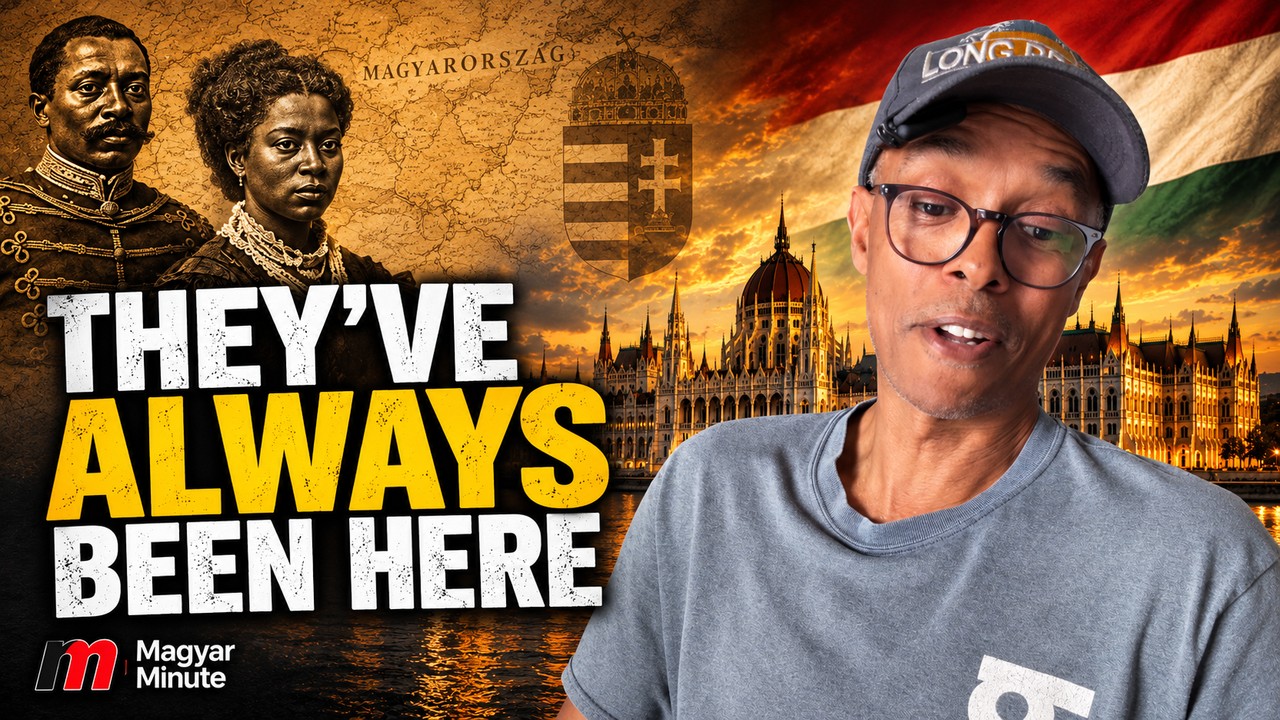
Share the link with someone who would enjoy it, or use the cover and suggested caption to introduce the story.
Get The Cover And Caption
 Download Landscape Cover ↓Request Permission To Republish →
Sharing a link is welcome. Republishing the article, video, or images requires permission.




.jpg)


.png)