
Why Villány Might Be The True Home Of Cabernet Franc
A Budapest wine bar owner makes the case that Hungary's hot southern region of Villány, not France, is where Cabernet Franc truly comes into its own. The history, the genetics, and one legendary critic all point the same way.
Bortodoor, Smike's Wine Bar In Budapest
Notes
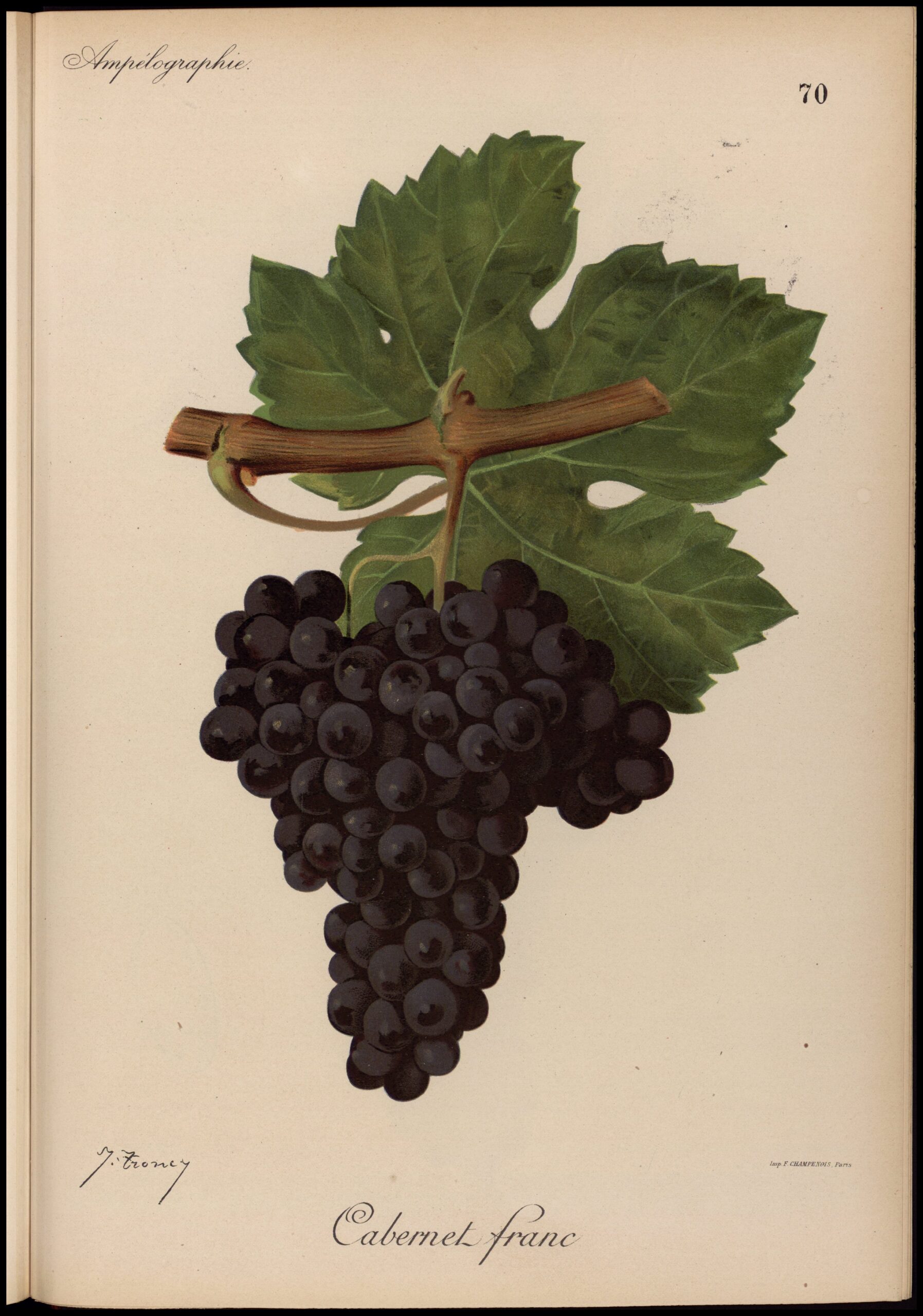
Cabernet Franc has spent most of its life being underestimated. In Bordeaux it is a blender, a supporting player that lends perfume and backbone to wines built on its more famous child, Cabernet Sauvignon. Most drinkers know it, if they know it at all, as a name in the small print. Yet that reputation was never the whole story, and the place that proves it best is not in France at all.
To see why, start where the grape actually comes from. Cabernet Franc’s spiritual home is the Loire Valley, where monks were tending it around Bourgueil Abbey as far back as the eleventh century. In the Loire trinity of Chinon, Bourgueil, and Saumur-Champigny it has been a soloist for hundreds of years, not a sidekick. But the Loire is cool and damp, and its Cabernet Franc reflects that: lighter and leaner, threaded with red fruit, crushed herbs, and the green snap of bell pepper. It is lovely, and it is unmistakably a cool-climate wine. For most of modern history, that leafy, delicate style was simply what Cabernet Franc was.
Then you drive to the far south of Hungary, almost to the Croatian border, and the grape changes character entirely.
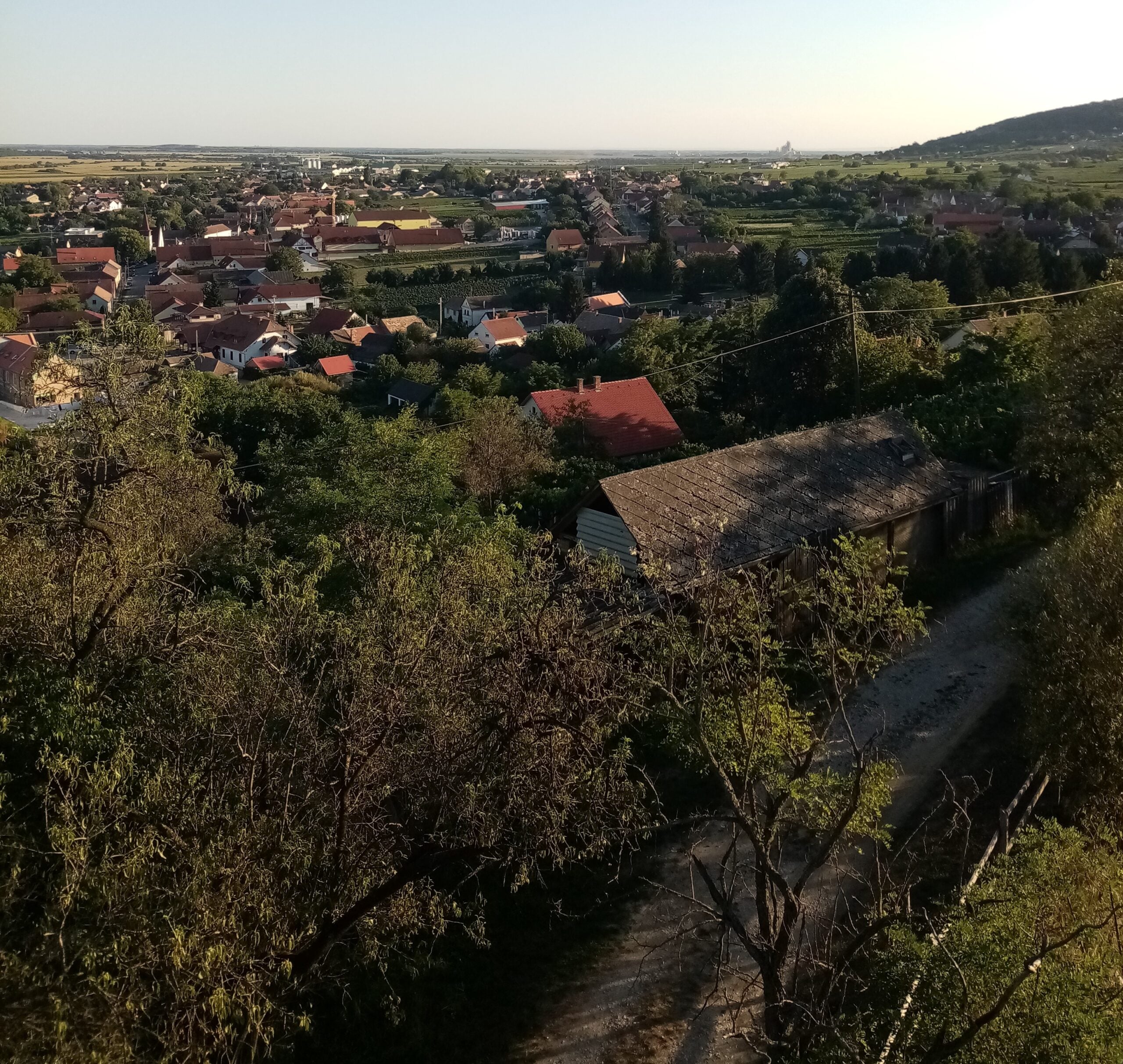
This is Villány, Hungary’s warmest and southernmost wine region, a narrow run of limestone and loess hills that locals call a devil’s punch bowl for the heat it traps. The sun here is relentless, and Cabernet Franc ripens fully and reliably, year after year, more dependably even than the Cabernet Sauvignon it fathered. The wine that results would be almost unrecognizable to a Loire purist: deep and dense, full of cassis, blueberry, and black cherry, lifted by violets and laced with cracked pepper and tobacco-leaf spice. These are powerful reds, sometimes climbing north of 15 percent alcohol, aged long in oak and built to evolve for twenty or thirty years. Where the Loire whispers, Villány declaims.
That this is even a debate owes a great deal to one man. In 2000, during a barrel tasting in the region, the late Michael Broadbent declared that Cabernet Franc had found its natural home in Villány. Broadbent was not someone whose words evaporated: a Master of Wine from 1960, the reviver of Christie’s wine auctions, and a Decanter columnist for thirty-five years, he had tasted more fine wine than almost anyone alive, and left behind more than 90,000 tasting notes when he died in 2020. His verdict landed like a blessing, and the region treated it as a mandate.
It was ready for one. Villány was among the first Hungarian regions to come alive after the fall of communism, earning the country’s first protected denomination of origin in the early 1990s, ahead even of Tokaj. Vineyards that had been nationalised returned to families, and a generation of winemakers began bottling under their own names. Attila Gere, farming as the seventh generation of his family, became one of the faces of that revival. Csaba Malatinszky, a former sommelier, now works his vineyards organically with Cabernet Franc at the heart of them, his Kúria bottlings prized for elegance and restraint. Christian Sauska, who made a fortune in engineering in California, poured it back into a state-of-the-art Villány cellar. Add names like Vylyan, Bock, and Wassmann and you have not one estate getting lucky but a whole region pulling in the same direction.
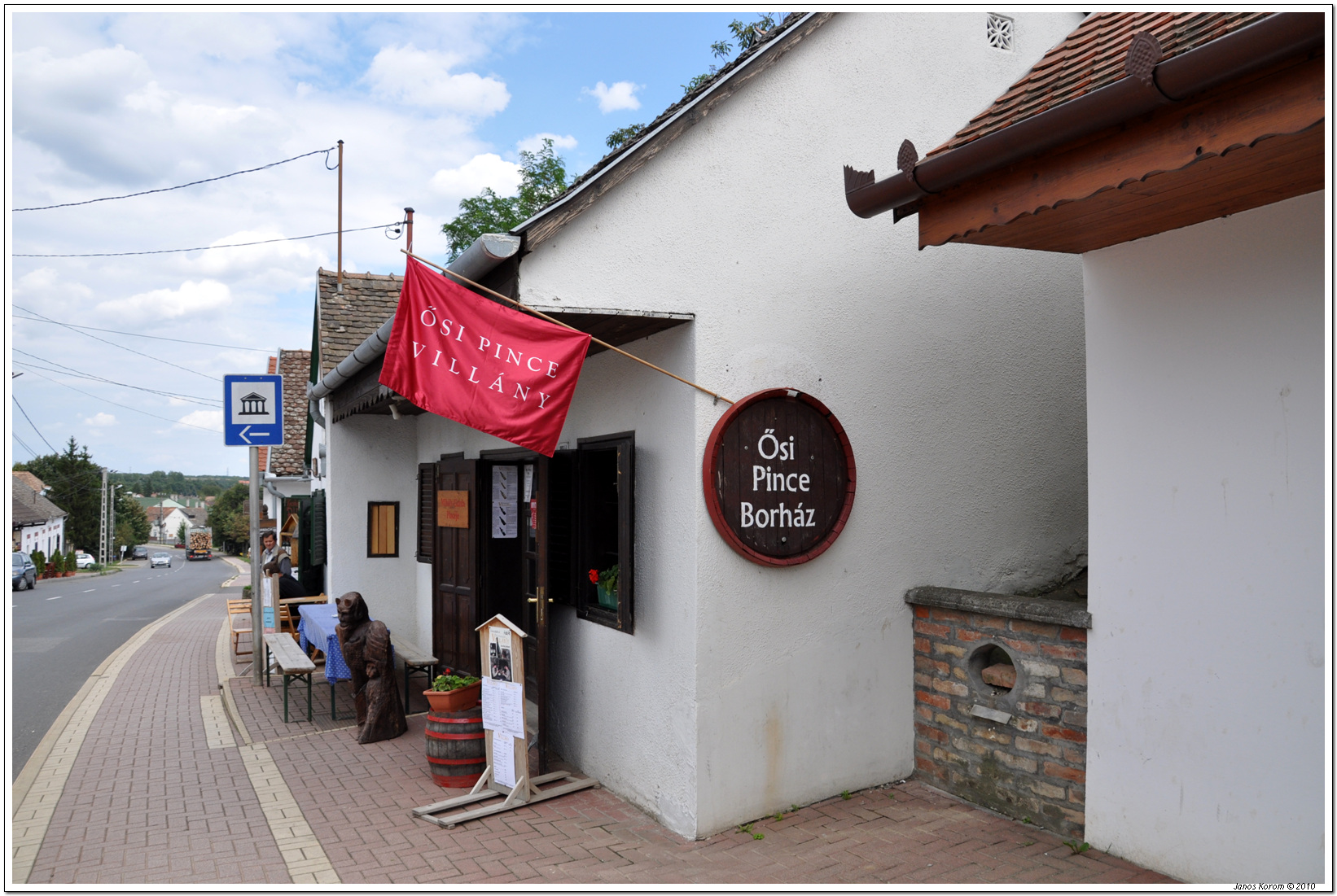
Hungary has since made the grape’s status official, in a way no other country has. Under the DHC Villány appellation system, the finest Cabernet Franc is no longer even allowed to be called Cabernet Franc. Made in the Premium or Super Premium style, from severely limited yields and aged at least two years, one of them in oak, it carries its own protected name: Villányi Franc. It is a quiet but pointed declaration that this is not French Cabernet Franc that happens to grow in Hungary, but a Hungarian wine in its own right. The country is now the world’s fifth largest grower of the variety, behind only France, Italy, the United States, and Chile.
So is it the best Cabernet Franc in the world, as Smike, who co-owns the Budapest wine bar Bortodoor, likes to ask? That depends on what you want the grape to be. If your ideal is the cool, ethereal, herb-streaked Loire, Villány will never out-Loire the Loire. But if you want Cabernet Franc turned up to full volume, ripe and dark and built to age, few places on earth do it better, and a glass of Gere’s Villányi Franc or a Super Premium from the Kopár hill argues the point better than any wine writer could. The grape that spent centuries as the bridesmaid found, in an unlikely corner of southern Hungary, a region willing to make it the bride.

Fact Check
A few points from the video, checked against the record.
In The VideoWe make these single varietal Cabernet Francs in Hungary.
Setting It StraightTrue, and in Villány the best examples go a step further than the label suggests. Under the DHC Villány rules introduced in 2005, top 100 percent Cabernet Franc wines made in the Premium and Super Premium styles are not labelled Cabernet Franc at all. They carry the region's own protected name, Villányi Franc, which requires very low yields and at least two years of aging, including time in oak. Source
Spot something off in this video?Suggest A Correction
Mentioned In This Video
Places
- Villány Wine RegionHungary's warmest and southernmost wine region, and the first to earn a protected origin after communism.View Map
- Cabernet Franc In The Loire ValleyThe grape's historic French home, in Chinon, Bourgueil, and Saumur-Champigny, where it makes a cooler, leaner style.View Map
People
- Michael Broadbent MWMaster of Wine and Decanter columnist who declared Villány the natural home of Cabernet Franc in 2000.
Businesses
- Gere Attila WinerySeventh-generation family estate, one of the faces of Villány's post-communist revival.
- BortodoorSmike's down-to-earth wine bar in Budapest's District VI.
Sources & References
- DHC Villányi Franc AppellationThe protected system under which the top Cabernet Franc is labelled Villányi Franc.
- DecanterThe wine magazine where Broadbent's influential verdict appeared.
Related Links
- Cabernet FrancA parent of Cabernet Sauvignon, Merlot, and Carménère, and Villány's flagship red.
Want The Full Transcript?
Get a clean, printable PDF of this video's transcript. Drop your email and we'll send it over.

Share Your Story
Point a phone camera at the code to open this page, or download it to share anywhere.
Download QRWhich Hungarian Wine Or Wine Region Should I Try Next?
Tell Ray
Share Or Use This Story
Pass It On. Give It A New Audience.
Share the link with someone who would enjoy it, or use the cover and suggested caption to introduce the story.
Get The Cover And Caption
 Download Landscape Cover ↓Request Permission To Republish →
Sharing a link is welcome. Republishing the article, video, or images requires permission.