
How An American Actually Gets A Hungarian Residence Permit
An American who has been in and out of Hungary since 2001 almost lost his legal status over one missed appointment. Here is how residency really works, and the small habit that saved the second try.
Budapest, Hungary
Notes
There is a single word that decided how the past few weeks went for me, and it is not the one most people worry about. Everyone asks about being refused. The word that actually mattered was terminated. A refusal means an officer read your file and said no. A termination means the process simply stopped, usually because a required step was missed, and the file closes before anyone weighs it on the merits. The gap between those two words is the difference between filing an appeal and starting over from scratch, and I learned it the expensive way.
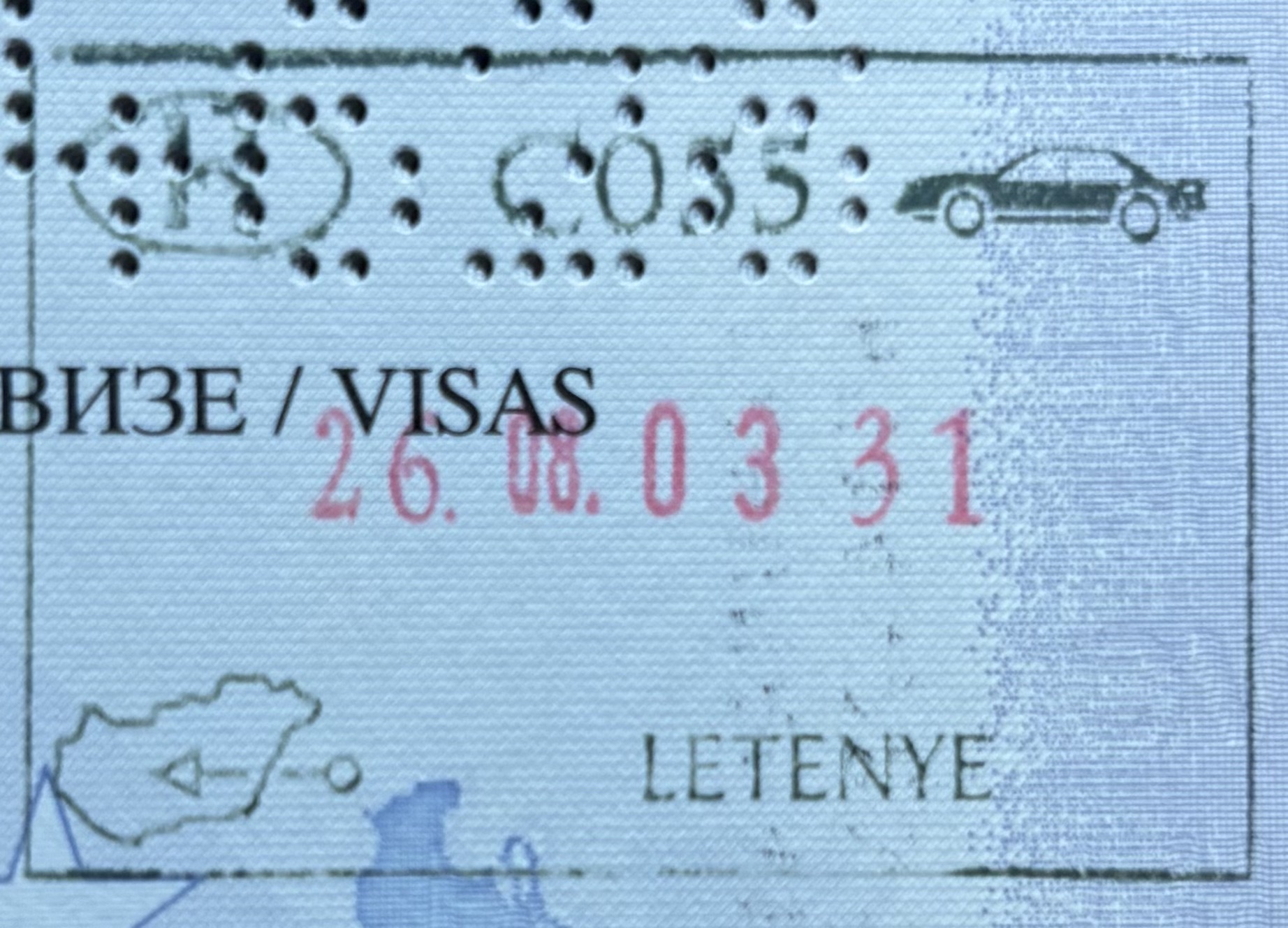
I have been coming in and out of Hungary since 2001, long enough to remember when the rules were a game of stamps. Back then an American got 90 days, and the border was a physical thing with a guard and an ink pad. The open secret was the reset: catch a morning train south, cross into what was then non-Schengen territory, have lunch in another country, and ride back the same afternoon with a fresh stamp and a clock that seemed to start over. My version ran on the line toward Zagreb, and I did it often. It was not clever. It was just what you did, and for years it worked.
There was another reason I learned to keep that passport in my pocket. In those years I was stopped by police in Budapest almost every week. I am a tall Black American, and in the early 2000s that was enough to get waved over on the street and asked for documents far more often than my friends were. You adapt. You keep your papers close and your patience closer. I mention it not to dwell on it, but because it is part of the honest texture of being a foreigner here, and because the same instinct that made me carry my passport everywhere is the one that later made me over-explain my paperwork rather than under-explain it.
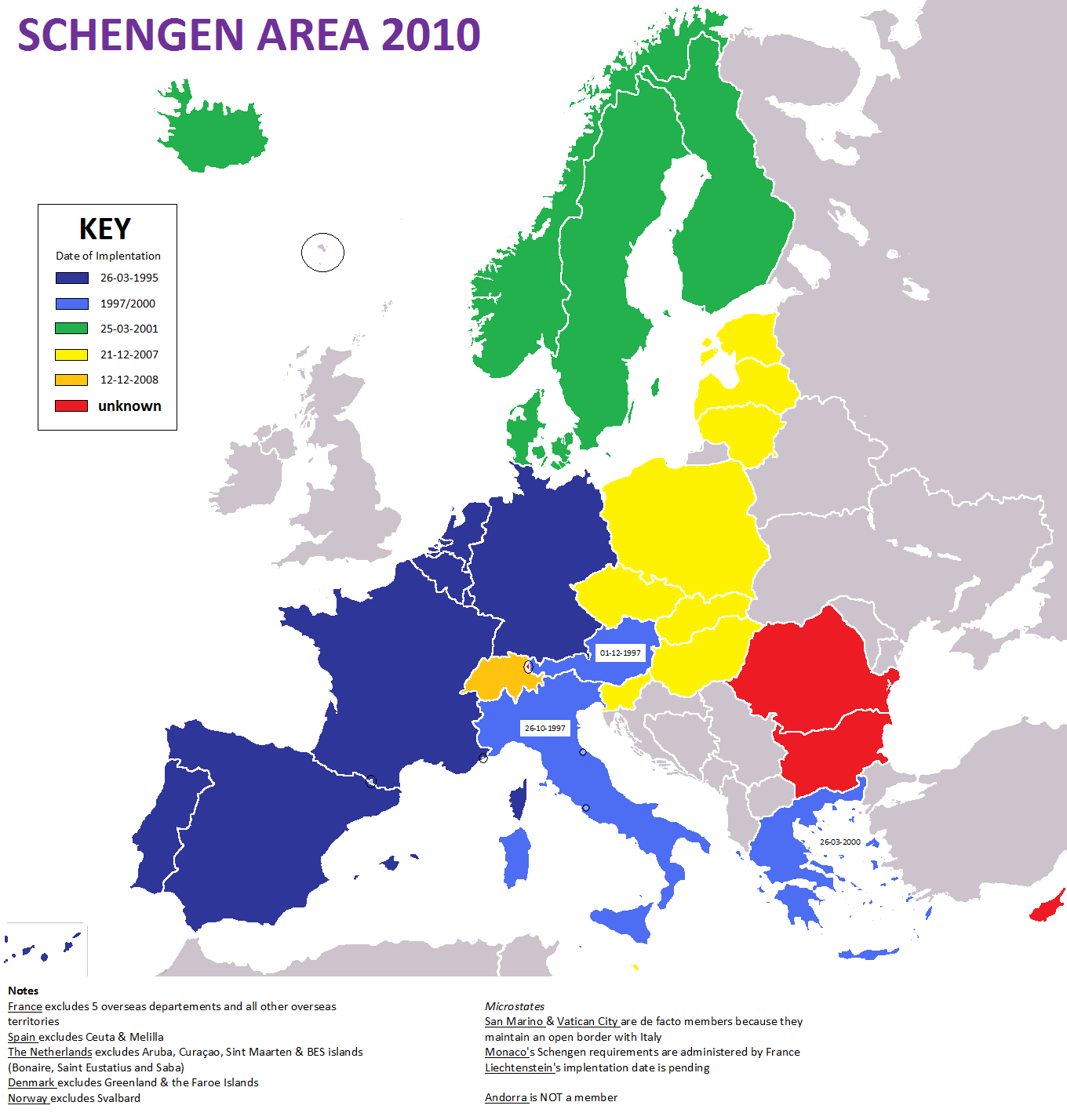
What closed the stamp loophole was not, as people often say, Hungary joining the European Union. Hungary joined the EU in May 2004, and the trains kept running and the stamps kept landing. The door closed on 21 December 2007, the day Hungary entered the Schengen Area and the internal border posts came down. Schengen replaced stamp-by-stamp arithmetic with a rolling rule: 90 days inside any 180, counted backward from wherever you stand today. A quick hop out and back resets nothing, because the window keeps counting whether you are in the zone or not. As of April 2026 there is not even a guard to charm. The new Entry/Exit System logs every crossing automatically, and the era of approximate, hand-waved day counting is over.
So if you want to actually live here now, you do it on paper, on purpose. The visa question trips up almost everyone, so it is worth being precise. As an American you do not need a visa to visit Hungary for up to 90 days. To stay longer, you need a residence permit tied to a specific reason: a job, remote work, a business, study, investment, or family. The reason dictates the paperwork, but the spine of the process is the same for all of them. My reason is the most personal one I have. I am the father of a Hungarian citizen, so my route is family reunification, and what I was doing this spring was not a first application but a renewal.
The renewal itself is not the hard part. You file through Enter Hungary, the government’s online portal, and for a while it felt almost easy. Then I missed the in-person biometric appointment, the short visit where they take your fingerprints and photo. There was a tight deadline to complete it after filing, and I had a reason, and the reason did not matter. The application was not refused. It was terminated. Back to that word.
Rather than fight to revive a closed file, I started over, and the second time I did one thing I am convinced was worth the effort, even though no one ever confirmed it helped. I wrote a one-page cover letter and attached it before anyone asked a single question. I explained that I had missed the biometrics. I explained that the previous application had been terminated, not refused. I even flagged that a couple of my bank statements still listed an older address. The logic was simple. If an officer uncovers something you appear to have hidden, they have every reason to dig. If you put the awkward facts on the table yourself, you look like exactly what you are, which is someone acting in good faith. And because so much of my earlier file was still sitting on the Enter Hungary server, rebuilding it was faster than it had any right to be.
I will not pretend it was a calm stretch. The thing about family reunification is that the word family is not an abstraction. The entire reason I was filing was asleep down the hall, a small boy who is a Hungarian citizen and whose life I could not picture standing outside of. That is the part that never fits on a form. The directorate eventually asked for one more document, which is completely normal, and I sent it the same day. A little while later, I was approved.
If you are going to do this yourself, the lessons compress into three. Never miss the biometric appointment, because that single slip cost me an entire application and weeks of work. Volunteer the awkward details before anyone has to find them, because honesty reads as good faith. And be organized enough that when the authority asks for a document, you can send it the same day, because momentum is its own kind of argument.
One small thing caught me off guard at the end. I asked to collect the new permit in person, and instead it arrived by registered mail, about a week to ten days after the approval letter. So watch your Enter Hungary account, but watch your mailbox too.
Before you apply
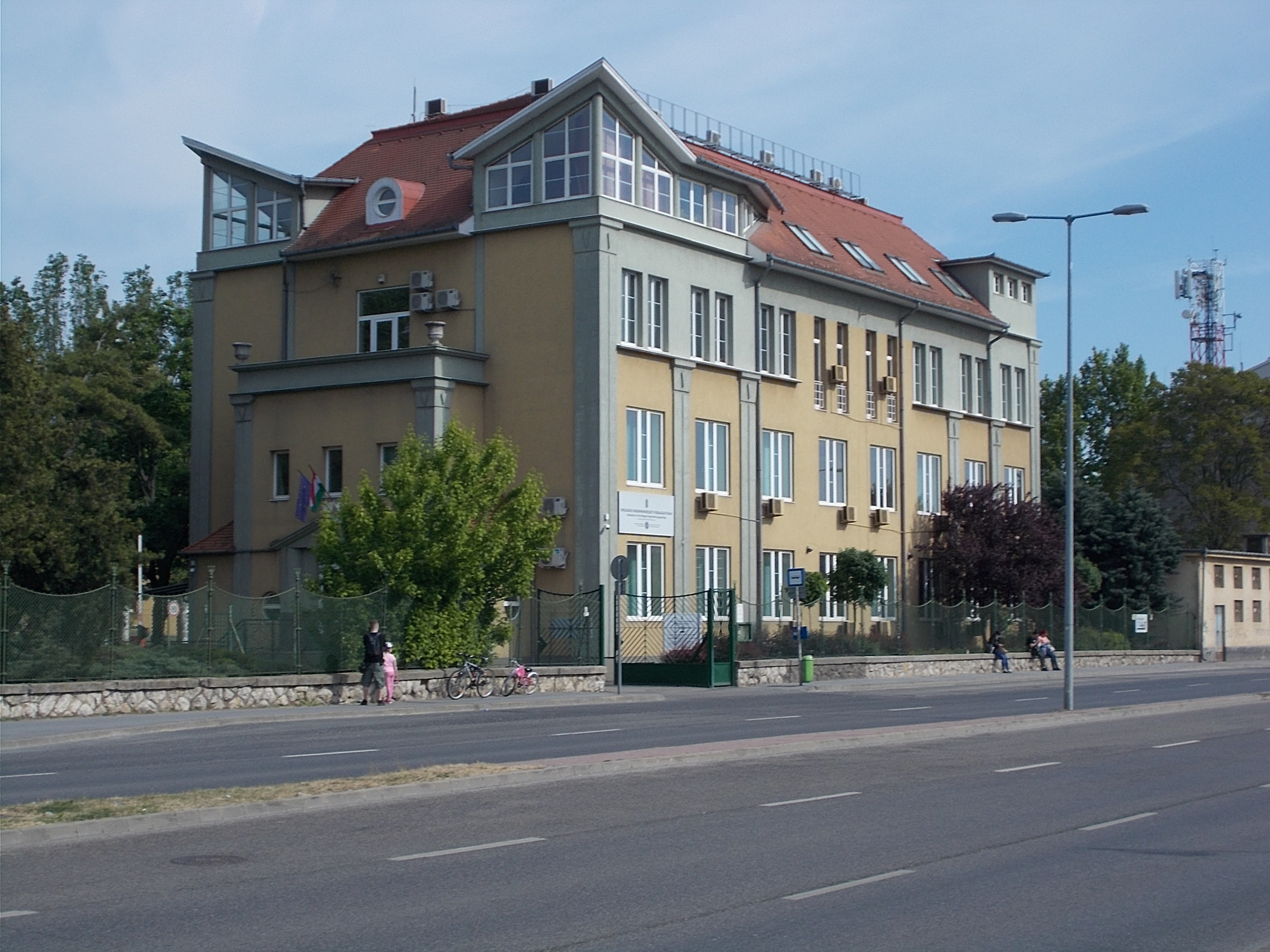
Start at the government’s own portal, Enter Hungary, and read the family reunification rules straight from the National Directorate-General For Aliens Policing. Immigration rules, fees, and required documents change often, so confirm the current requirements with the authority before you file. This is one person’s experience, not legal advice.
My goal was never to replace official guidance. It was to tell you what actually happened, because sometimes a real account is more useful than a government webpage. Hopefully my one missed appointment saves you from making the same one. Look at your applications closer than I looked at mine.
This video was produced in partnership with Daily News Hungary.

Fact Check
A few points from the video, checked against the record.
In The VideoIn the video, the end of the visa-run loophole is credited to Hungary joining the European Union: once Hungary joined, the border checks disappeared, the passport stamps stopped, and the loophole disappeared with them.
Setting It StraightThe point stands that one moment closed the loophole, but it was not EU membership. Hungary joined the EU on 1 May 2004, yet internal border checks and passport stamps continued. They ended on 21 December 2007, when Hungary joined the Schengen Area and internal land borders came down. What actually killed the reset trick was the Schengen 90 days in any 180 rolling rule, which counts your days whether or not you briefly step out, so hopping out and back no longer restarts the clock. Since April 2026 the EU Entry/Exit System logs crossings automatically, ending the stamp-era guesswork entirely. Source
Spot something off in this video?Suggest A Correction
Mentioned In This Video
Businesses
- Daily News HungaryThis video was produced in partnership with Daily News Hungary.
Sources & References
- Enter Hungary (Government Portal)The official online portal for residence permit applications and renewals in Hungary.
- Residence Permit For Family Reunification (Official Factsheet)The National Directorate-General for Aliens Policing rules for the family reunification permit. The authority decides within 70 days.
- Schengen Short-Stay Calculator (90/180 Rule)The European Commission tool for the 90 days in any 180 rolling rule that replaced stamp counting.
Related Links
- Schengen AreaHungary joined the Schengen Area on 21 December 2007, which ended internal border stamps and the visa-run reset.
Want The Full Transcript?
Get a clean, printable PDF of this video's transcript. Drop your email and we'll send it over.

Share This Story
Point a phone camera at the code to open this page, or download it to share anywhere.
Download QRWhat Do You Wish You Had Known Before Applying For Residency?
Tell Ray
Share Or Use This Story
Pass It On. Give It A New Audience.
Share the link with someone who would enjoy it, or use the cover and suggested caption to introduce the story.
Get The Cover And Caption
 Download Landscape Cover ↓Request Permission To Republish →
Sharing a link is welcome. Republishing the article, video, or images requires permission.