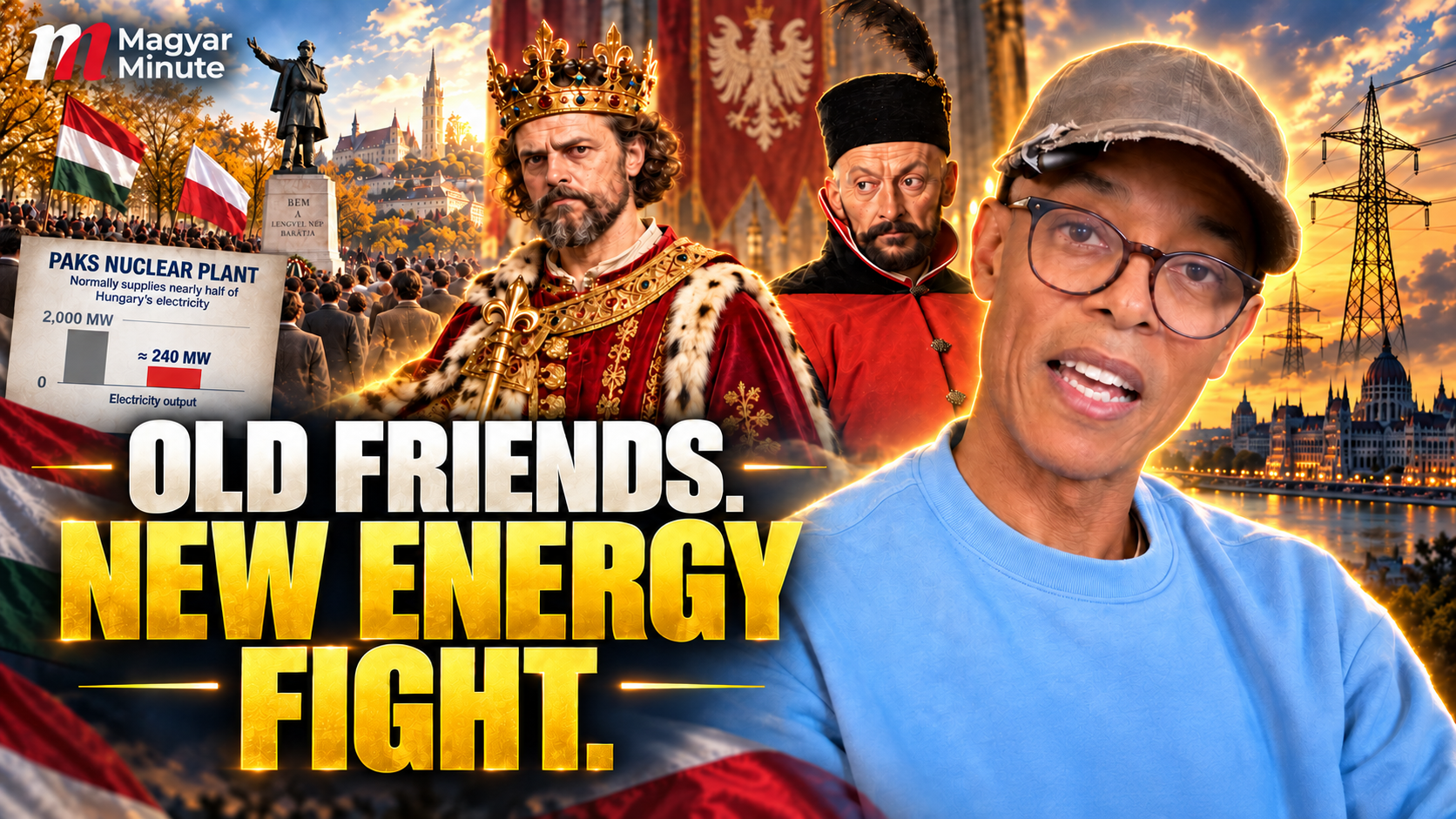
Old Friends, New Energy Fight: Poland, Hungary And The Grid Bill
An American at Budapest’s Polish-Hungarian Energy Forum discovers the history behind an old friendship, and a very current question: who pays for the electricity network we all still need?
Notes
A factory can put solar panels on its roof. A household can move the washing machine to a quieter hour. Neither decision makes the shared electricity network disappear. That is the uncomfortable question running beneath Europe’s energy transition: how do we give people more control over their own power while keeping the common system worth paying for?
At the Polish-Hungarian Energy Forum at Hungexpo on 6 October 2026, that question arrived wrapped in a friendship I had not understood very well. I was an American in a room full of people who knew this industry. Thanks to Alpár at Daily News Hungary, I had a seat in that room. What stayed with me was discovering how much history sat behind the relationship between Poland and Hungary. Hearing it there sent me back to the research.
A Friendship With Practical Obligations
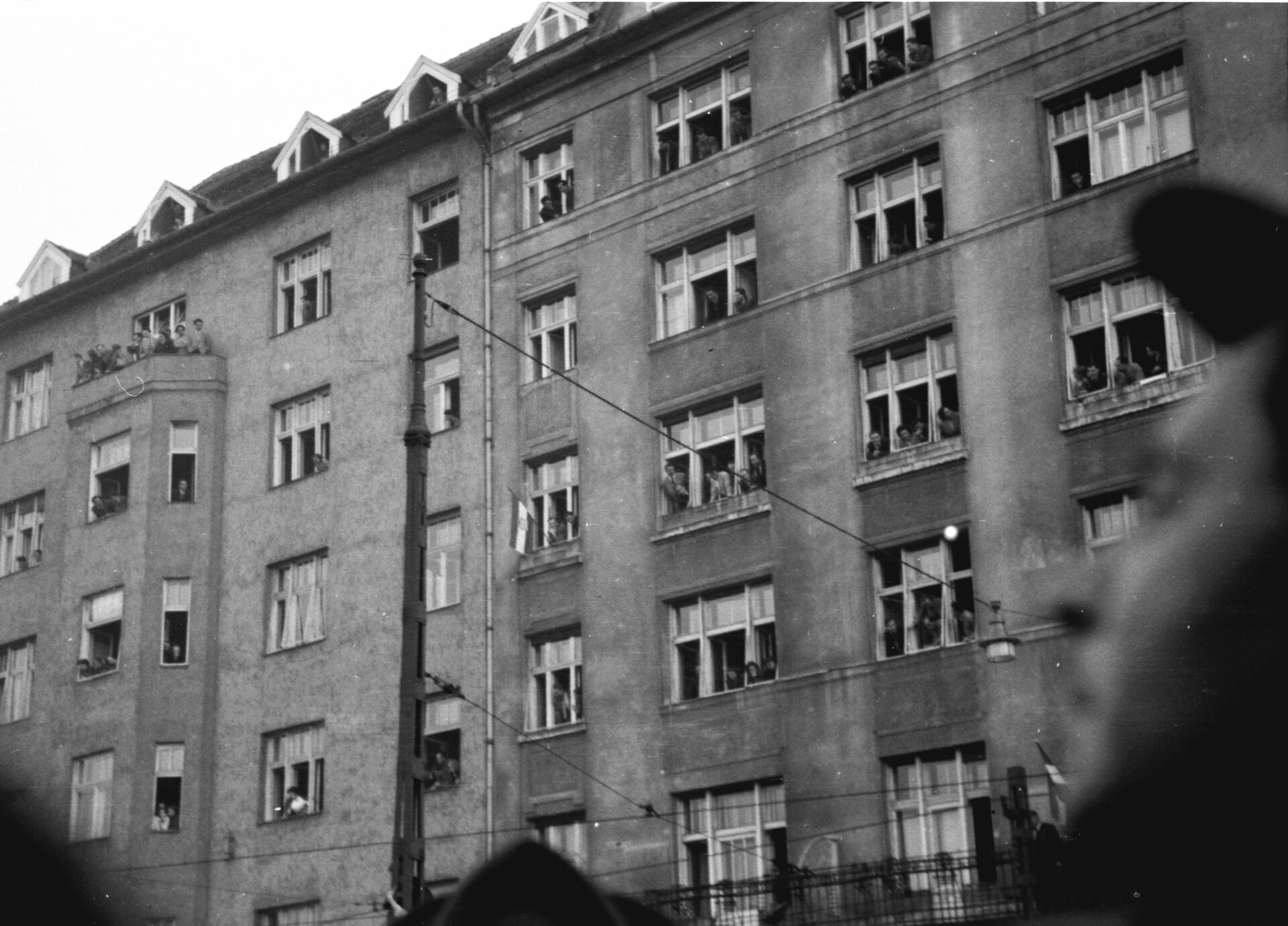
When Dr. Ferenc Molnár, president of the Hungarian Electrotechnical Association, invoked the familiar saying about Poles and Hungarians fighting and drinking together, it carried more than ceremonial warmth. Louis The Great Ruled Both Kingdoms From 1370. Stephen Báthory Later Became King Of Poland. And in October 1956, Budapest’s Bem Square Connected Solidarity With Poland To Hungary’s Own Demand For Political Change.
Those episodes do not make the two countries’ interests identical. They help explain why an appeal to friendship can feel like a request to show up when something matters. Dagmara Zawadzka of the Polish Investment and Trade Agency brought that idea into the present: good relations acquire a tangible form through investment, infrastructure and business cooperation.
The Wires Still Have To Work
Electricity crosses borders more easily than a national energy debate sometimes admits. A country can plan new generation at home and still depend on regional connections during a difficult week. Hungary’s summer problems at Paks made that interdependence visible. A nuclear plant’s contribution depends on the physical conditions around it, including the river used for cooling, as well as the machinery inside it.
Krisztina Tarjányi, Hungary’s undersecretary of state for energy, discussed both that recent pressure and a much larger wind ambition. But an announced capacity target, a grid connection award and a working turbine are three different milestones. The network has to be ready for the electricity before the headline can become useful power.
Poland’s nuclear programme makes the timing problem just as clear. Its First Plant Is Planned Around Three AP1000 Reactors, With Nuclear Construction Scheduled To Start In Late 2028 And The First Unit Expected To Operate In 2036. The electricity system must remain affordable and dependable throughout the intervening years.
Independence Needs A Shared System
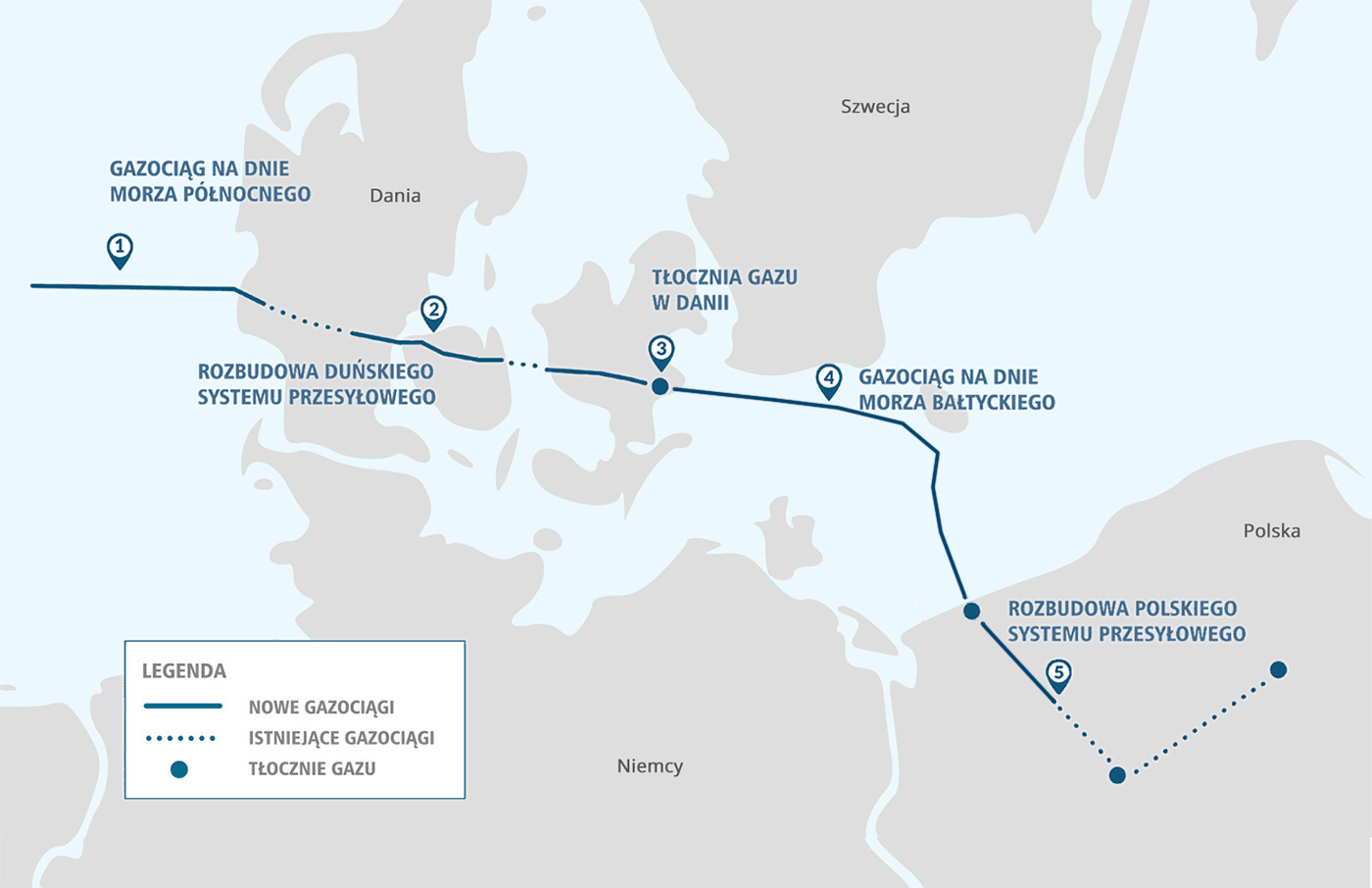
Agnieszka Ozga of GAZ-SYSTEM put another part of the problem on the table: access to gas supply after the infrastructure has been built. Poland’s LNG terminal entered commercial service in 2016; Baltic Pipe began commercial transmission in October 2022. A route creates an option. It does not, by itself, settle the price or guarantee every future contract.
The electricity equivalent is the grid bill. Eurelectric’s Grids For Speed Study Estimates Annual Distribution Network Investment Needs Of Up To €67 Billion Through 2050 Across The EU And Norway. It also examines how flexibility and better planning can reduce the cost. The study includes distributed generation and storage. The difficult question raised in the room is how to share network costs fairly as customers change the way they use that network.
László Fritsch of MVM ONEnergy spoke about affordability and security of supply, while Zsolt Jamniczky of E.ON Hungária brought the network perspective. Producing some of your own electricity can reduce what you buy. It does not necessarily remove your need for a connection when the sun goes down or demand rises. A tariff that rewards useful flexibility while funding dependable service is a harder design task than simply dividing last year’s bill among this year’s customers.
That is where the old friendship became interesting to me. Cooperation has to survive beyond the welcoming words, into the less glamorous choices about connections, contracts and costs. Households belong in that conversation too. Moving consumption away from a difficult peak can help, but it works best when people understand the request and have the means to respond.
Where you live, does the grid bill feel like a fair share of a common service? And if you were asked to shift your electricity use for one difficult week, what would make that possible?
Fact Check
A few points from the video, checked against the record.
In The VideoPaks normally supplies nearly half of Hungary’s electricity.
Setting It StraightThe distinction is domestic production versus total electricity use. MVM describes Paks as producing nearly half of Hungary’s domestically generated electricity. Hungary also imports electricity, so this should not be read as nearly half of all electricity consumed in the country. Source
In The VideoThe Eurelectric study did not count on more customers making and storing their own power.
Setting It StraightGrids for Speed does include distributed generation and energy storage in its modelling. The concern about how changing customer behaviour affects grid fees is a discussion from the forum, not evidence that the study omitted those technologies. Its headline investment estimate is up to €67 billion a year for distribution grids in the EU and Norway through 2050, with lower needs possible under more efficient planning and flexibility. Source
In The VideoVoluntary cuts from households and more than 300 companies trimmed about 400 MW off demand.
Setting It StraightThe roughly 400 MW figure concerned company reduction commitments, rather than a measured total attributable to households and companies. MTI’s 2 August report described an initial 250 MW of company pledges, potentially rising to 400 to 500 MW. It separately reported that combined consumption by businesses, public institutions and households had been about 500 MW below MAVIR’s forecast on the previous day. Pledged cuts, differences from a forecast and verified savings attributable to particular groups are different measures. Source
Spot something off in this video?Suggest A Correction
Mentioned In This Video
Places
- Bem Square And 1956The Budapest demonstration of 23 October 1956 expressed solidarity with political changes in Poland.View Map
People
- Dr. Ferenc MolnárPresident of the Hungarian Electrotechnical Association; opened with the Polish-Hungarian friendship saying.
- Dagmara ZawadzkaVice president of the Polish Investment and Trade Agency; discussed friendship translated into practical cooperation.
- Krisztina TarjányiHungarian undersecretary of state; discussed regional support, Paks and wind investment.
- Agnieszka OzgaDirector of GAZ-SYSTEM’s Energy Transition Division. Ray describes her remarks; she has no speaking clip in this video.
- László FritschDeputy CEO and chief commercial officer of MVM ONEnergy; discussed affordability and security of supply.
- Zsolt JamniczkyDeputy CEO of E.ON Hungária; discussed the electricity network and changing customer behaviour.
- Louis The GreatKing of Hungary and, from 1370, of Poland.
- Stephen BáthoryPrince of Transylvania who became king of Poland in the 1570s.
- Dr. Anna WisniewskiGeneral Director of the Polish-Hungarian Chamber of Commerce, which organised the forum; listed among the event speakers.
Sources & References
- Eurelectric: Grids For SpeedResearch and industry discussion on Europe’s distribution grid investment needs.
- Poland’s Nuclear ProgrammeOfficial schedule for three AP1000 units, with nuclear construction planned for late 2028 and the first unit for 2036.
- Baltic PipeGAZ-SYSTEM’s account of the Norway-Denmark-Poland gas route, commercially operational from 1 October 2022.
- Daily News HungaryThanks to Alpár for helping Ray attend the forum.
Related Links
- Polish-Hungarian Energy Forum 2026The 6 October forum at Hungexpo, organised by the Polish-Hungarian Chamber of Commerce.
Want The Full Transcript?
Get a clean, printable PDF of this video's transcript. Drop your email and we'll send it over.

Share This Story
Point a phone camera at the code to open this page, or download it to share anywhere.
Download QRWhich Hungarian Tradition Or Piece Of Local History Should I Explore Next?
Tell Ray
Share Or Use This Story
Pass It On. Give It A New Audience.
Share the link with someone who would enjoy it, or use the cover and suggested caption to introduce the story.
Get The Cover And Caption
 Download Landscape Cover ↓Request Permission To Republish →
Sharing a link is welcome. Republishing the article, video, or images requires permission.