Budapest Doesn’t Erase Its Scars. It Repurposes Them.
Budapest doesn't scream its history, it murmurs it. Walking the city as a Black American raising a son with Hungarian roots, Ray reads what the stone, the soup, and the ruin bars are still trying to say.
Notes
Budapest does not announce its history. It layers it. Walk the city with any curiosity at all and the same pattern keeps surfacing: what was built to mean one thing gets quietly turned into something else rather than torn down. The scars stay. Their meaning gets rewritten.
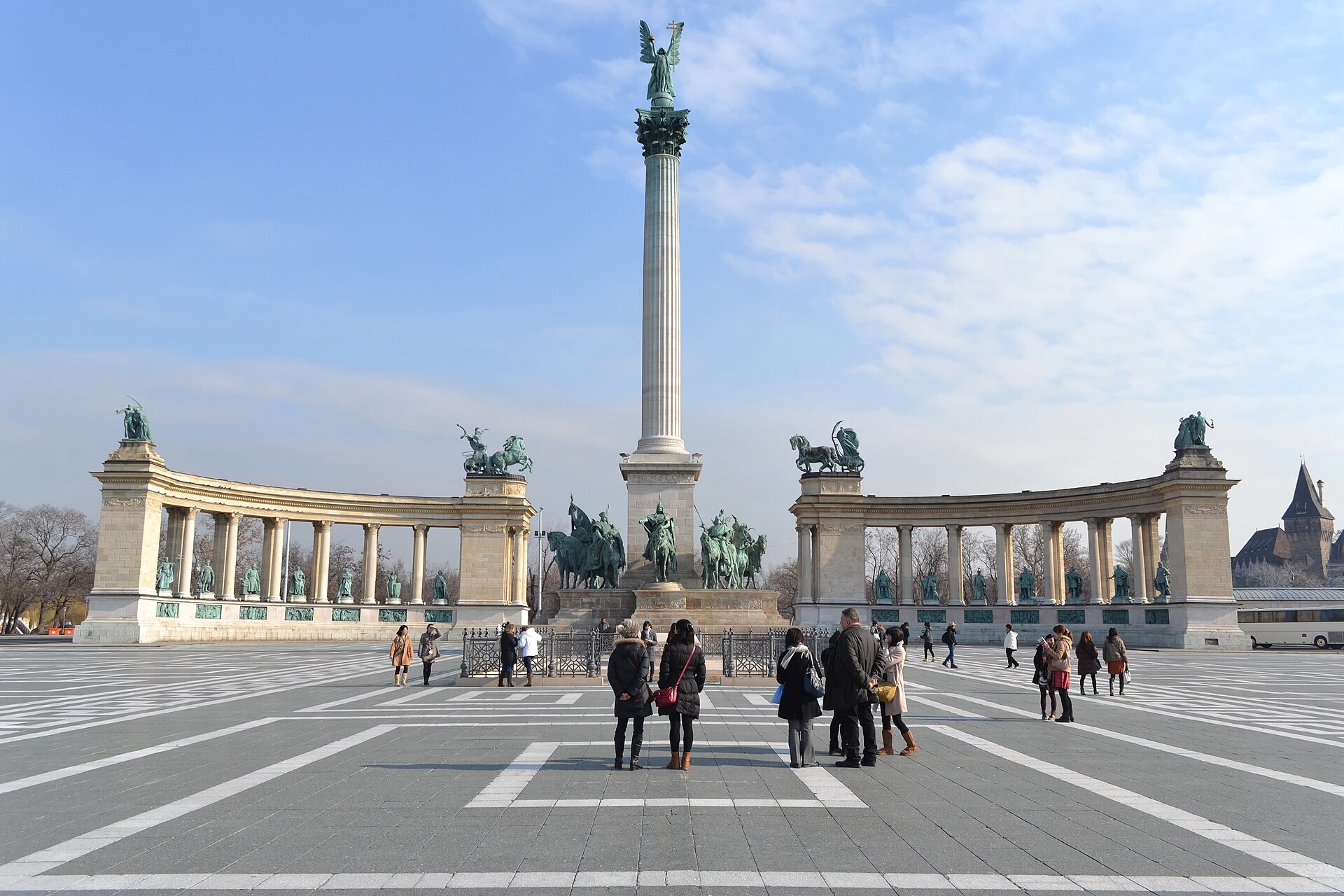
Heroes’ Square is the clearest case. The Millennium Monument at its center went up in 1896 to mark a thousand years since the Magyar tribes reached the Carpathian Basin. Its colonnade once held statues of Habsburg rulers, because Hungary was still under Habsburg rule. War damage forced a rebuild, and the Habsburgs quietly gave way to Hungarian national figures. In 1989 the same square held the reburial of Imre Nagy, the prime minister executed after the 1956 uprising, drawing a crowd of roughly 250,000 and helping push communism toward its end. One square, several countries’ worth of meaning, stacked inside a single century.
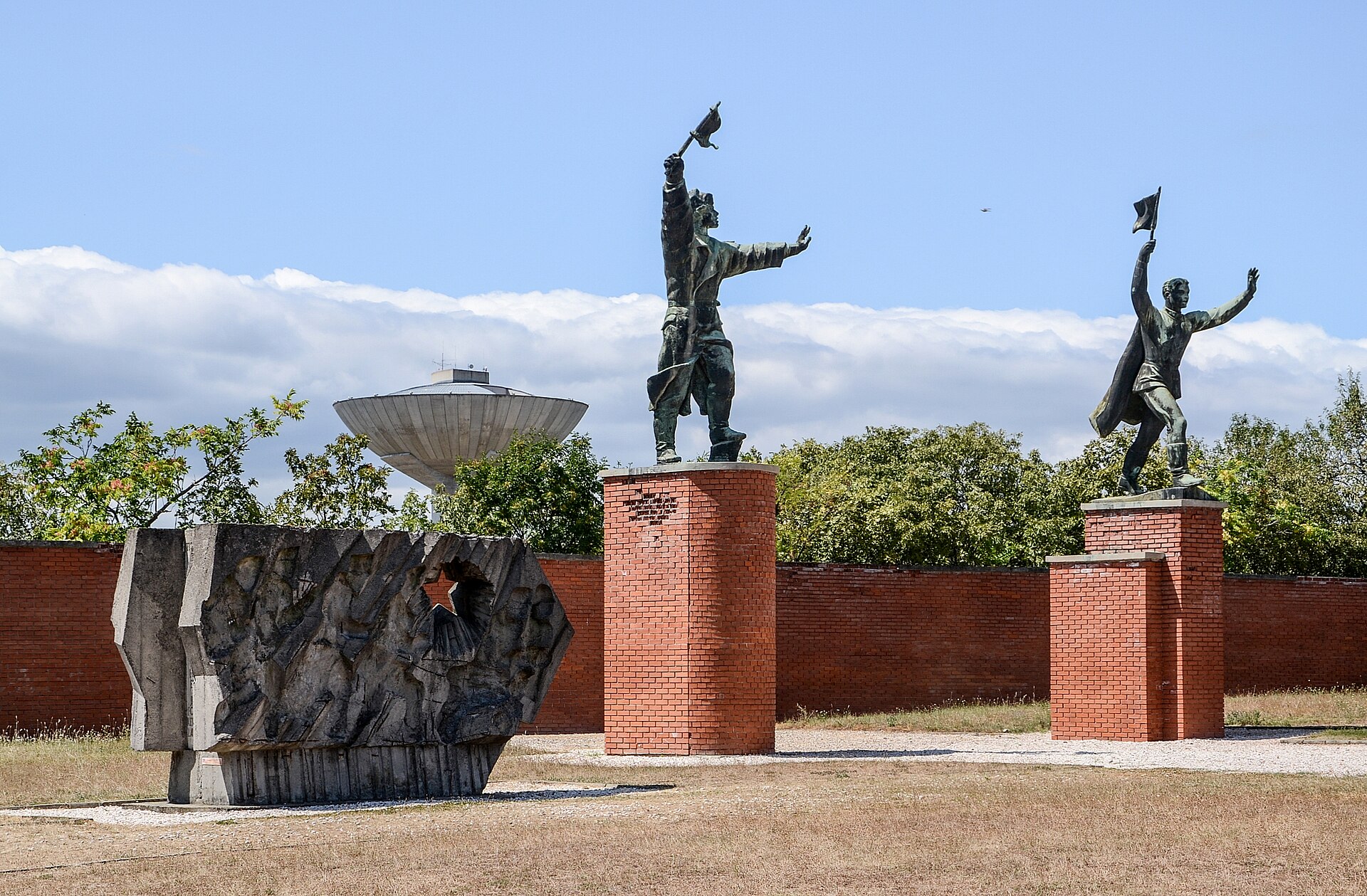
Memento Park makes the logic literal. When communism fell in 1989, much of the former Eastern Bloc simply pulled its statues down. Hungary did something stranger: it gathered around forty of them, Lenin, Marx, fists raised in bronze, and moved them to a field on the city’s edge, opening the park on June 29, 1993, the second anniversary of the last Soviet troops leaving. The architect, Ákos Eleőd, framed it exactly: the park is about dictatorship, and because it can be examined and discussed, it is also about democracy. The monuments lost their power without being erased.
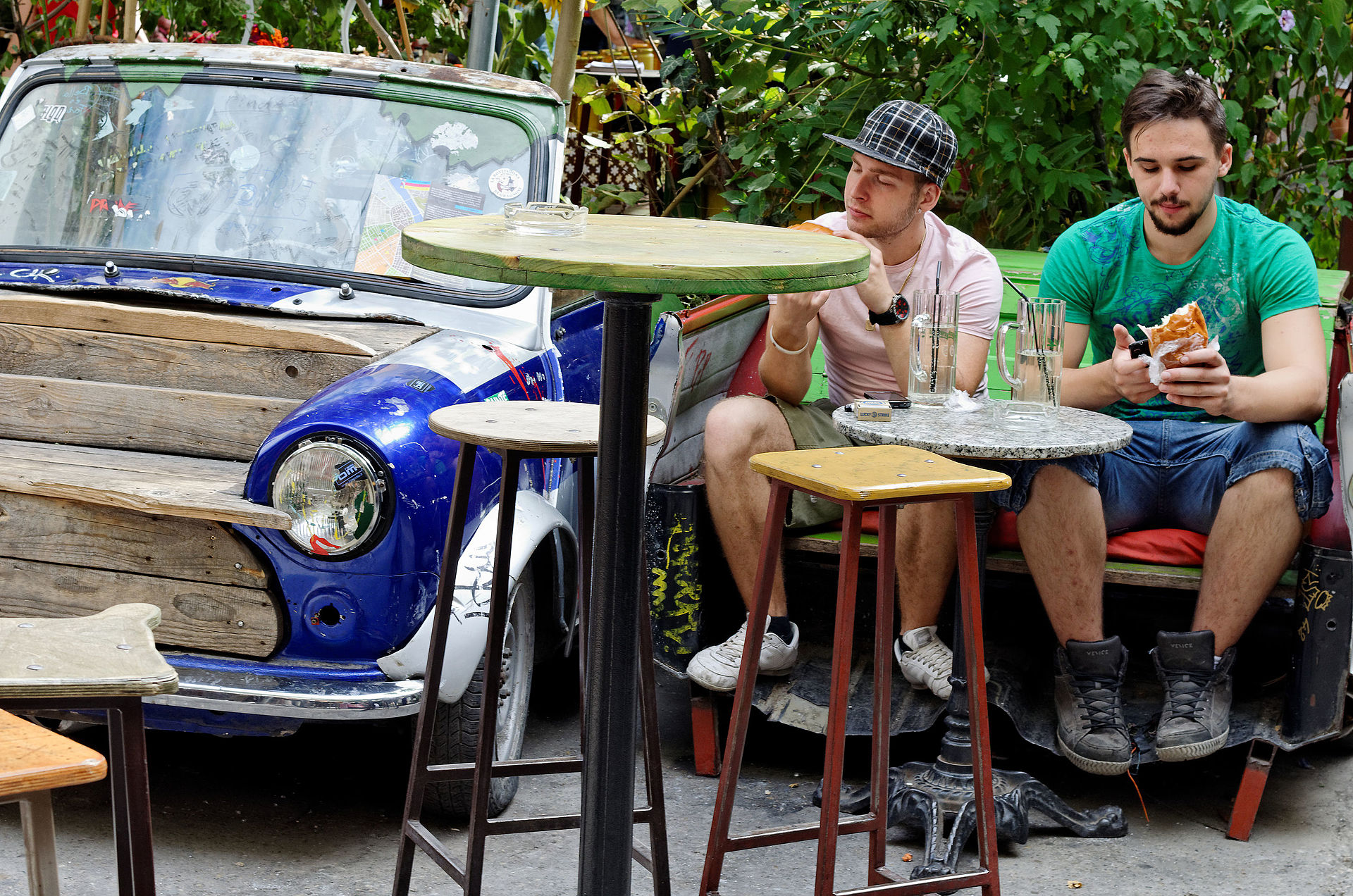
The ruin bars carry the same instinct into the night. Szimpla Kert opened in 2002 and by 2004 had taken over a condemned building on Kazinczy Street in the old Jewish Quarter, a district left to decay for decades after the deportations of World War II. Instead of demolition, thrift-store furniture and open doors. That one move sparked a movement and helped bring a written-off neighborhood back to life. Even the kitchens tell it: goulash, paprika, cabbage, comfort food shaped by decades when comfort was rationed.
Then there is the Hospital in the Rock, a surgical hospital dug into the caves under Buda Castle. Construction began in 1939. Through the siege of 1944 and 1945 it ran far past capacity, reopened during the 1956 revolution, was secretly expanded into a Cold War nuclear bunker, and stayed classified until 2002 before opening as a museum in 2008. First a shelter, then a bunker, now a place you walk through to feel how close the worst once seemed.
This is the throughline you notice fastest from the outside. A city that does not hide what it survived, that turns its damage into something you can stand inside, asks a certain respect from anyone choosing to build a life here. As a Black American raising a son with Hungarian roots, I don’t take that lightly. Read closely, Budapest does not scream its past. It murmurs it, in stone, in the steam off a bowl of soup, in broken statues that still stand with their meaning changed.

Fact Check
A few points from the video, checked against the record.
In The VideoGoulash, cabbage, and paprika are comfort food from an era when comfort had to be rationed.
Setting It StraightThe resilience he tastes is real, but the food predates the hardship by centuries. Goulash began as a Magyar herdsmen's stew and grew into the national dish in the 1800s, while paprika entered Hungarian kitchens during the Ottoman era and spread through the 18th and 19th centuries. These plates carried Hungarians through the lean communist decades rather than being born in them. Source
Spot something off in this video?Suggest A Correction
Mentioned In This Video
Places
- Heroes' Square (Hősök Tere)The major plaza at the end of Andrássy Avenue. Originally built for Hungary's 1896 millennium celebrations. The Habsburg statues were replaced with Hungarian national figures afterView Map
- Memento Park (Szoborpark)Open-air museum on Budapest's outskirts displaying around forty statues from the 1949 to 1989 communist period. Designed by architect Ákos Eleőd, opened June 29, 1993, on the seconView Map
- Szimpla KertBudapest's original ruin bar, opened in 2002 and moved to its iconic Kazinczy Street location in 2004. Founded by Ábel Zsendovits and friends in a condemned building in the old JewView Map
- Hospital In The Rock Nuclear Bunker Museum (Sziklakórház Atombunker Múzeum)A WWII emergency hospital and later a top-secret Cold War nuclear bunker carved into the cave system beneath Buda Castle. Construction began in 1939. Treated wounded during the SieView Map
- Buda CastleThe historic royal palace complex of the Hungarian kings, sitting atop Castle Hill on the Buda side of the Danube. The cave system housing the Hospital in the Rock runs directly beView Map
- Jewish Quarter (Erzsébetváros, District VII)Budapest's historic Jewish Quarter, the neighborhood where the ruin bar movement began. Left to crumble after the WWII deportations, then revived from the 2000s onward by ruin barsView Map
People
- Ákos EleődHungarian architect who designed Memento Park. His quote anchors the park's philosophy: the park is about dictatorship, but because dictatorship can be openly discussed here, it is
- Ábel ZsendovitsCo-founder of Szimpla Kert and one of the originators of Budapest's ruin bar scene.
Sources & References
- Hungarian Revolution Of 1956The nationwide uprising against the Soviet-imposed government, brutally crushed by Soviet forces. The Hospital in the Rock was reactivated during the revolution to treat the wounde
- People's Republic Of Hungary (1949 To 1989)The forty-year communist period whose monumental propaganda statues now live at Memento Park.
- Siege Of Budapest (1944 To 1945)The brutal 50-day battle for the city in the final months of WWII. The Hospital in the Rock operated at full capacity throughout, with all 94 beds constantly occupied.
- Hungarian Goulash (Gulyás)Hungary's national dish, traditionally a hearty paprika-spiced beef and vegetable soup with roots in 9th-century herdsmen's cooking. Paprika became central to Hungarian cuisine aft
Want The Full Transcript?
Get a clean, printable PDF of this video's transcript. Drop your email and we'll send it over.

Share This Story
Point a phone camera at the code to open this page, or download it to share anywhere.
Download QRWhich Food Experience In Hungary Should I Explore Next?
Tell Ray
Share Or Use This Story
Pass It On. Give It A New Audience.
Share the link with someone who would enjoy it, or use the cover and suggested caption to introduce the story.
Get The Cover And Caption
 Download Landscape Cover ↓Request Permission To Republish →
Sharing a link is welcome. Republishing the article, video, or images requires permission.