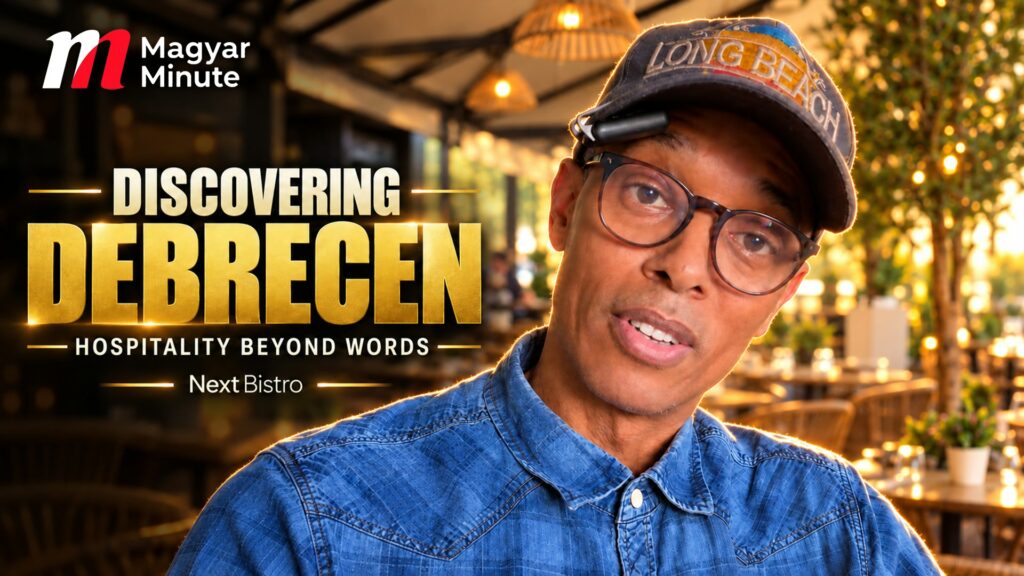
At Lake Balaton, A Stranger Fed My Son Cake Through The Fence
Lake Balaton is Hungary's sea, and Siófok its summer capital. A look at the southern shore beyond the resort strip: the small-town pace, the weekend markets, and the wave of independent Hungarian makers betting on something of their own.
Notes
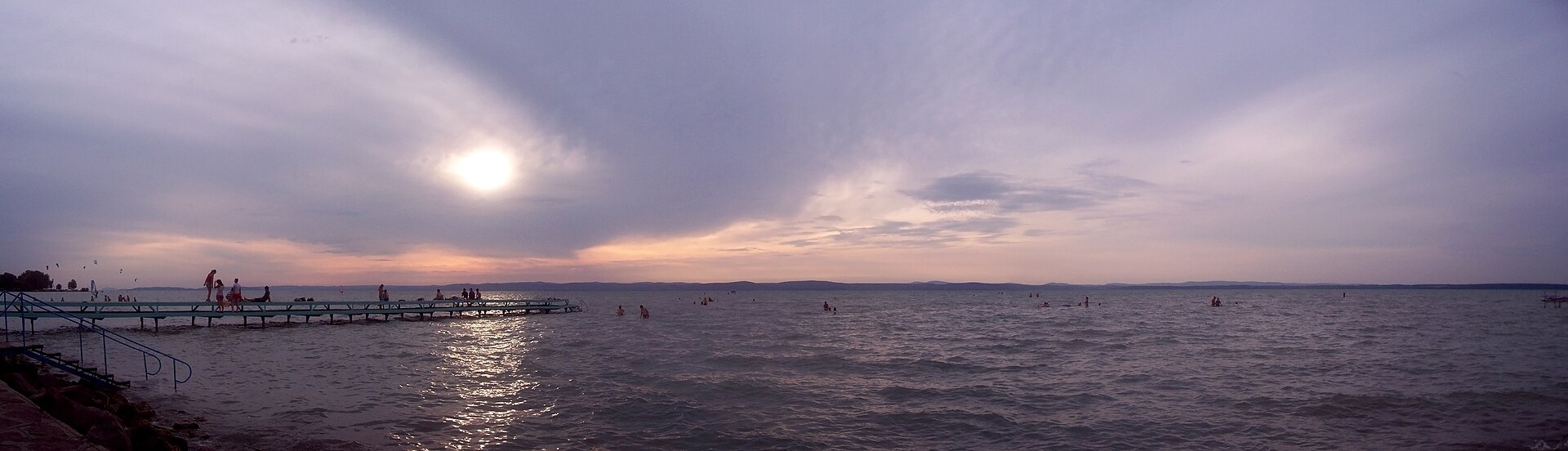
Lake Balaton is the kind of place nearly every Hungarian has a memory of. It is the largest lake in Central Europe, close to 600 square kilometers of it, and locals call it “the Hungarian Sea” without much irony. For a landlocked country, this is the coast. The water is famously shallow, averaging only about three meters, so it warms quickly in summer and turns the whole shoreline into the nation’s collective vacation.
The lake has two distinct personalities. The northern shore is the older, quieter one: volcanic hills, basalt soil, and a winemaking tradition that reaches back to Roman times, anchored by towns like Tihany and Badacsony. The southern shore, where Siófok sits, is the flat, sandy, resort side. Siófok is effectively Hungary’s summer capital, overflowing in July and August. But step a few streets back from the strip, or visit outside high season, and you find the version most tourists miss: quiet lakeside neighborhoods like Sóstó, where this visit unfolded, running at a small-town pace.
That pace is the real subject. Much of what makes Hungarian small-town life feel different to an outsider is unwritten. You greet the person across the fence, “Jó reggelt” in the morning, and a short exchange can warm into something more without anyone planning it. Kindness toward children is close to reflexive. None of it is performed for visitors; it is simply how the older generation has always done things.
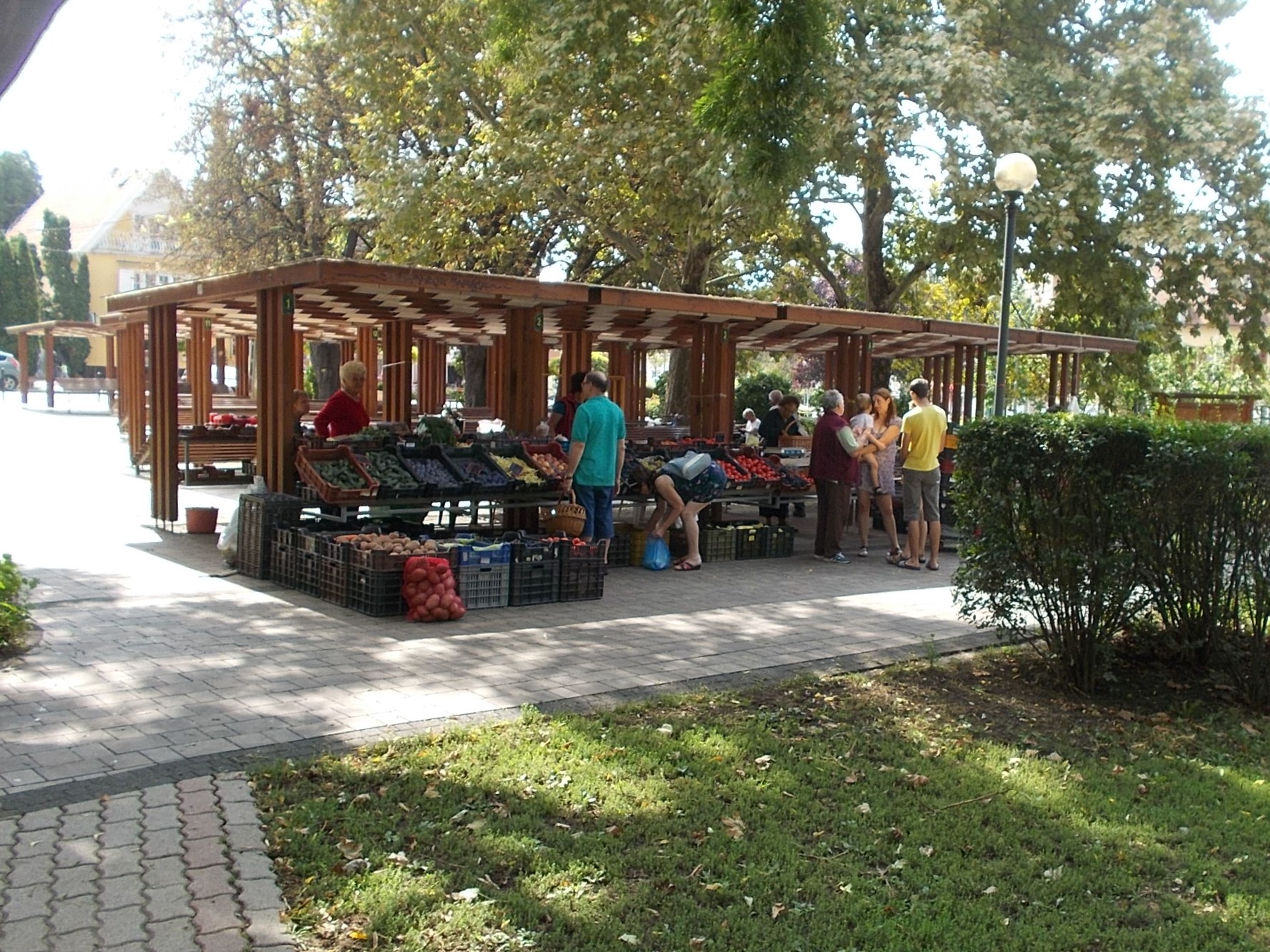
The weekend market, the piac, is where that culture concentrates. Most Hungarian towns have one, and it is less a tourist attraction than a working part of the week: small producers selling cheese, házi kolbász (homemade sausage), seasonal vegetables, honey, and jars of jam, often the same families year after year. Street musicians belong to the texture too. Hungary has a deep folk and Roma violin tradition, so a couple of players drifting through a market is not staged. It is just Saturday.
What is newer, and worth watching, is the rise of small Hungarian makers turning craft into real brands. Vadon Szószműhely, a family sauce workshop producing barbecue sauces, chutneys, and spreads, is a good example: proper labeling, clean packaging, the kind of operation built to outgrow a market table. After years when Hungarians mostly reached for big-brand or imported goods, a wave of independent producers is betting that people will pay for something local and made by hand.
That bet is being placed against a bigger backdrop. With a new government and a sense that the country is exhaling a little, there is more room than there has been in a while for people to try something of their own. The countryside is where you feel it most plainly: quieter, slower, and full of people quietly building.
Fact Check
A few points from the video, checked against the record.
In The VideoYou call the spot "a small town near Lake Balaton."
Setting It StraightThe stay was in Sóstó, a quiet lakeside neighborhood of Siófok itself, the largest resort town on Balaton's southern shore. The small-town feel is real; it is a calmer corner of a big summer town rather than a separate village. Source
Spot something off in this video?Suggest A Correction
Mentioned In This Video
Places
- Lake BalatonThe largest lake in Central Europe, nicknamed the Hungarian Sea.View Map
- SiófokBalaton's largest resort town on the southern shore. We stayed in Sóstó, a quiet lakeside part of it.View Map
- TihanyHistoric village on the northern shore, known for its abbey and Balaton wine country.View Map
- BadacsonyVolcanic hill and winemaking area on the northern shore.View Map
Businesses
- Vadon SzószműhelyFamily sauce workshop (barbecue sauces, chutneys, spreads) we met at the market.
Want The Full Transcript?
Get a clean, printable PDF of this video's transcript. Drop your email and we'll send it over.

Share This Story
Point a phone camera at the code to open this page, or download it to share anywhere.
Download QRWhat Has Raising A Family In Hungary Taught You?
Tell Ray
Share Or Use This Story
Pass It On. Give It A New Audience.
Share the link with someone who would enjoy it, or use the cover and suggested caption to introduce the story.
Get The Cover And Caption
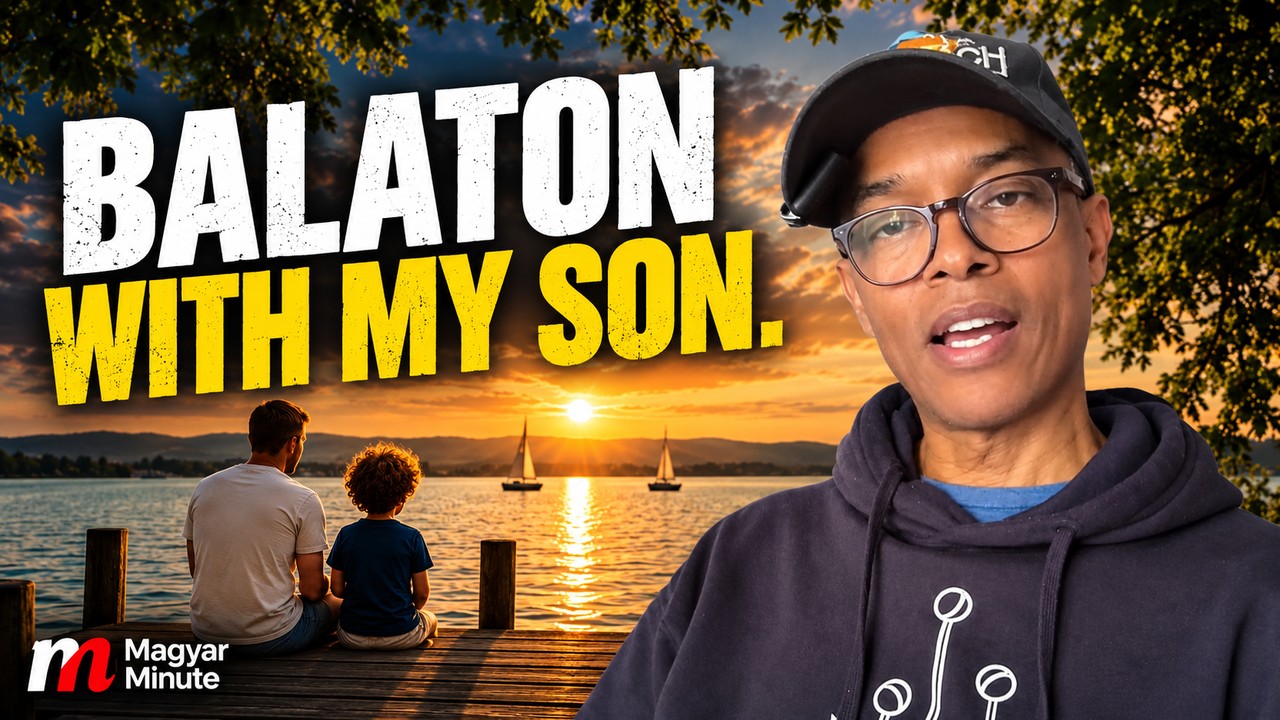 Download Landscape Cover ↓Request Permission To Republish →
Sharing a link is welcome. Republishing the article, video, or images requires permission.