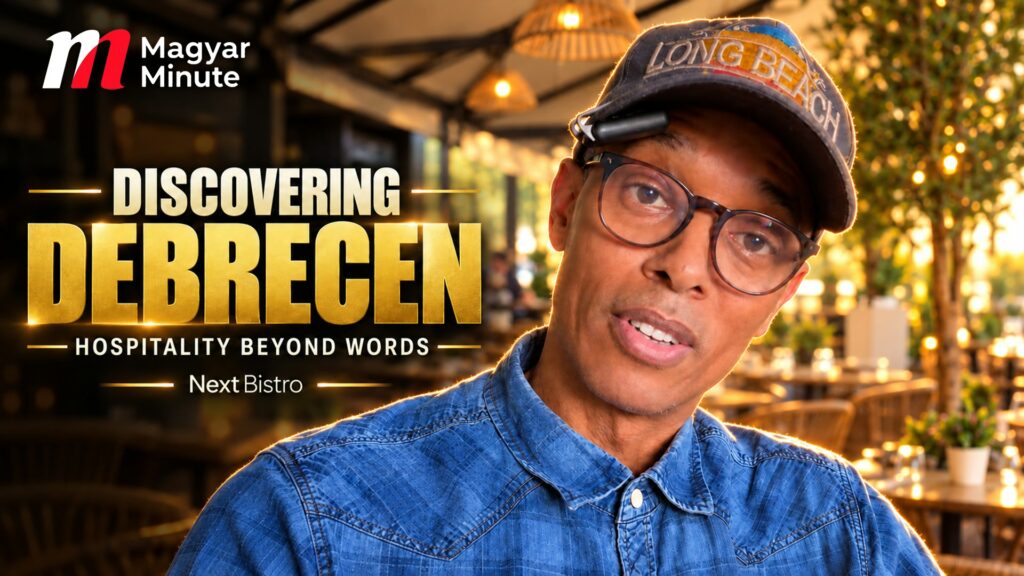
Hungary Inspired A Career I Didn’t See Coming
A touring musician walked into a Siófok nightclub with a camera and walked out a producer. How an unlikely Lake Balaton dance floor became an American's film school.
Notes
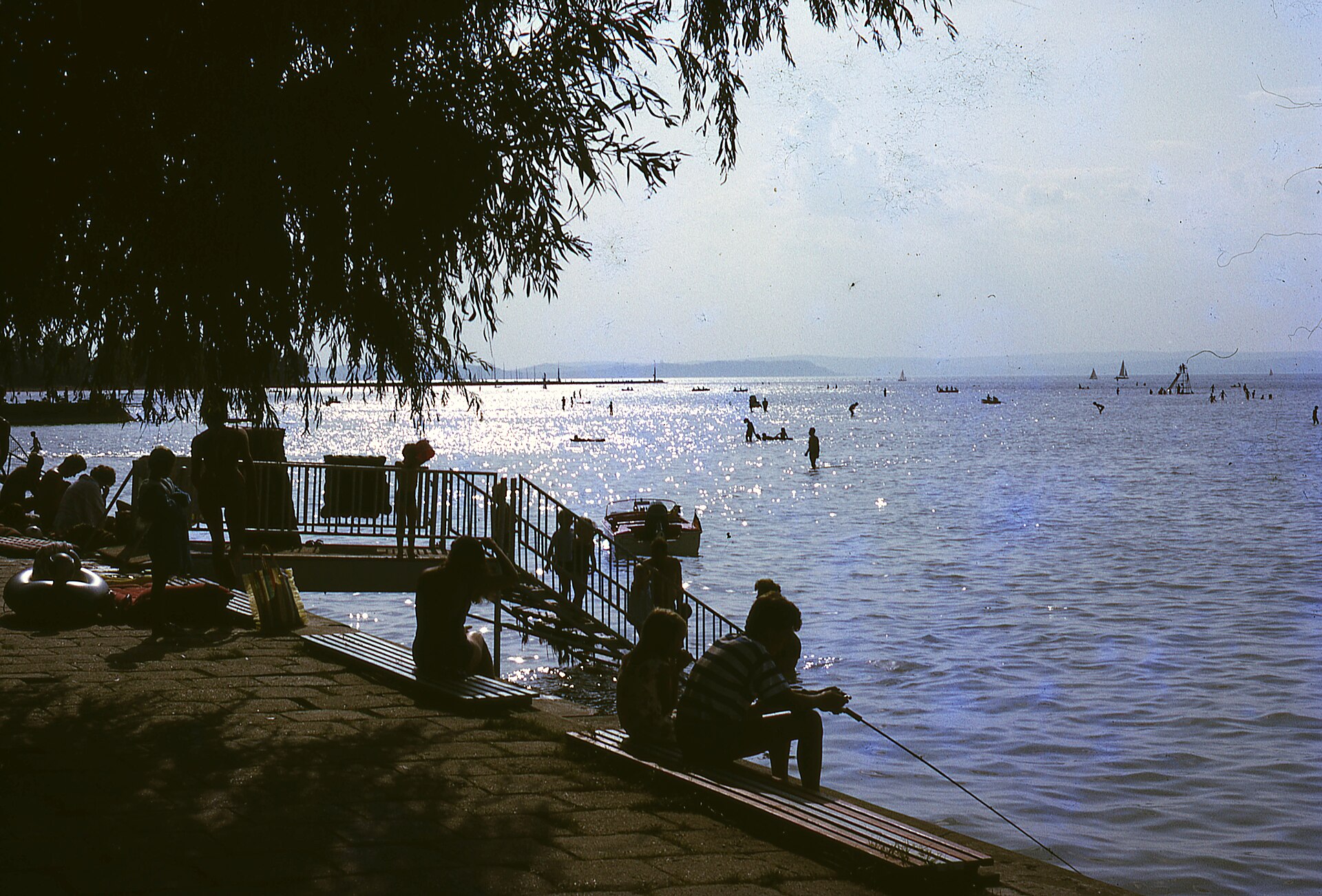
On the south shore of Lake Balaton, in a resort town called Siófok, summer used to arrive with a sound. Through the 1990s and 2000s the town’s clubs pulled in the biggest names in electronic music, and for a few months a year a small Hungarian lakeside turned into one of Europe’s loudest dance floors.
Two rooms anchored it. Flört, open since 1989, is where Tiësto played his first international set in 1996, and where Paul van Dyk and Sasha turned up on the bill. Along the same shore, the Palace Dance Club brought in Timo Maas and Carl Cox. This was not an echo of a scene happening somewhere else. For a while, it was the scene.
An American musician landed in the middle of it. He had already spent close to a decade on the road, on US stages and at festivals in Europe and Japan, and still nothing had prepared him for world-class talent filling a lakeside town most of the world could not place on a map. He had packed a camera on a hunch that this chapter was worth keeping. He pointed it at the DJs and started asking questions.
The footage got noticed. It led to a national commercial deal and a self-taught crash course in production, learned from the inside out. The editing software was Final Cut Pro, picked up while living in Hungary and later carried back to the US, where he taught it to students and working professionals, cinematographers among them. Hungary, he says, was his film school.
Back in the States the work kept compounding. He edited a documentary, and that led to producing the documentary segments on the 2007 series Hottest Mom in America, credited under his stage name, Ray Valentine, in a stretch mentored by John Feist, a producer on the early seasons of Survivor.
Music was the first language. He grew up inside it. His father was a founding member and drummer of the band War, the group behind Low Rider and Why Can’t We Be Friends. The line from that household to a Siófok dance floor to an American edit bay is not straight, but it rhymes.
What stayed with him was not the famous names. It was the talent he watched go unrewarded, Hungarian and otherwise, and the international productions that arrived, took what they needed, and left nothing behind. He calls that extraction, not partnership. The career Hungary handed him became a quiet argument for doing it the other way. Look closer, and this is less the story of a lucky break than of what a place is worth once someone finally points a camera at it.
Fact Check
We checked the claims in this video against the record.
VerifiedEverything in this video holds up. The names, dates, and figures all check out.
Spot something off in this video?Suggest A Correction
Mentioned In This Video
Places
- Flört (Siófok)Legendary Siófok club; the room where Tiësto played his first international set in 1996.View Map
- Palace Dance Club (Siófok)Siófok house institution that hosted Timo Maas and Carl Cox.View Map
- SiófokLake Balaton resort town, the summer capital of Hungarian nightlife.View Map
People
- TiëstoPlayed his first international show at Flört in Siófok.
- John FeistSurvivor producer who mentored him in US television.
Related Links
- War (Band)The funk band his father helped found as drummer.
- Hottest Mom In America (2007)He produced its documentary segments, credited as Ray Valentine.
Also Mentioned
- Final Cut ProThe editing software he learned in Hungary and taught in the US.
Want The Full Transcript?
Get a clean, printable PDF of this video's transcript. Drop your email and we'll send it over.

Share This Story
Point a phone camera at the code to open this page, or download it to share anywhere.
Download QRWhich Place Beyond Budapest Deserves A Closer Look?
Tell Ray
Share Or Use This Story
Pass It On. Give It A New Audience.
Share the link with someone who would enjoy it, or use the cover and suggested caption to introduce the story.
Get The Cover And Caption
 Download Landscape Cover ↓Request Permission To Republish →
Sharing a link is welcome. Republishing the article, video, or images requires permission.