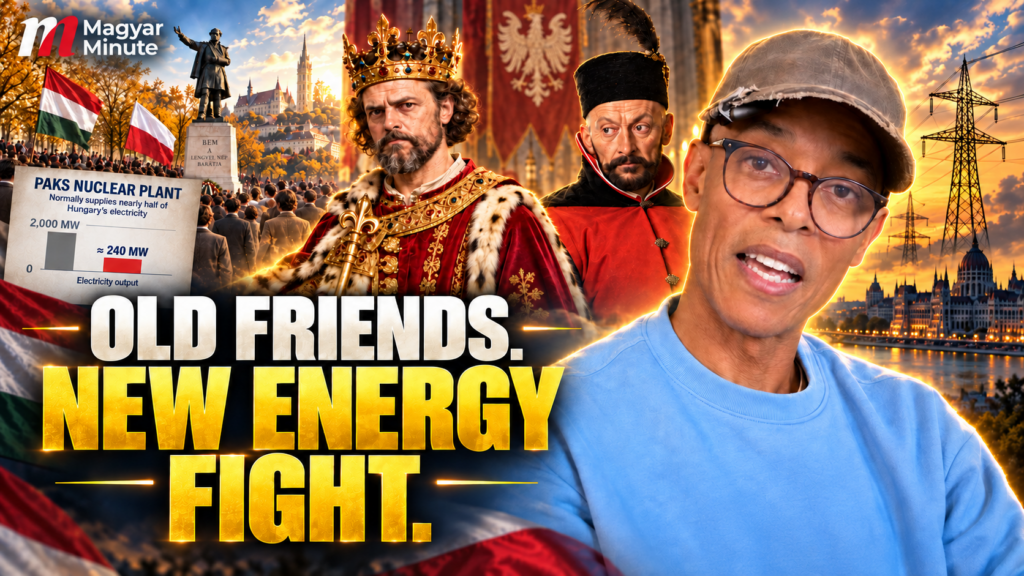
Budapest Is What You See… Hungary Is What You Miss
A capital is a front door, not a house. Why the real Hungary, and the case for spending local, begins where the Budapest postcard ends.
Notes
Budapest knows how to be looked at. The castle on the hill, the river cutting the city in two, the grand cafes with their gilded ceilings. It is built to be admired, and the visitors who fill it every season are not wrong to admire it. But a capital is a front door, not a house. Step through it and most of Hungary is somewhere else entirely.
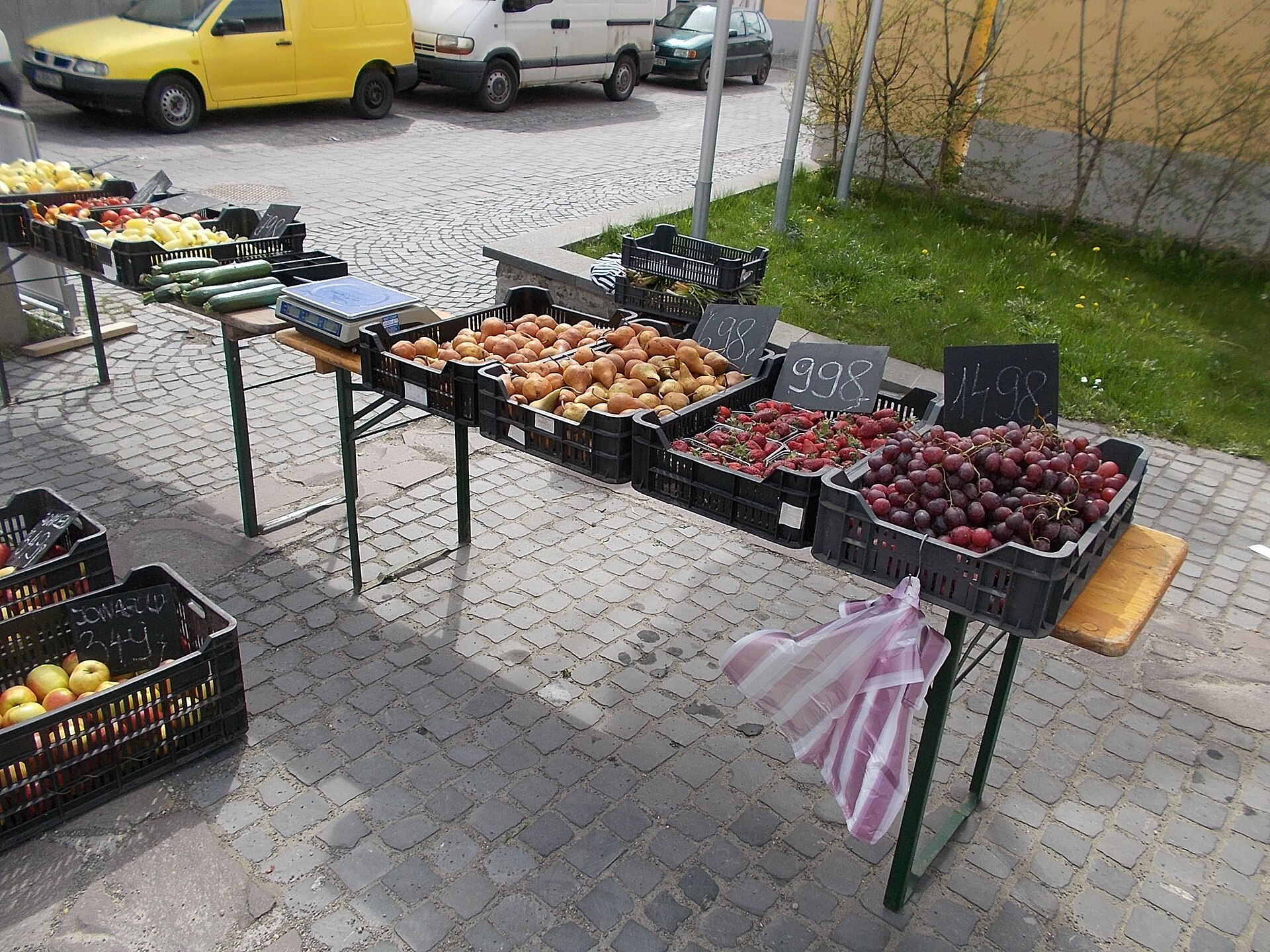
Out past the postcard, a different logic still runs the day. Drive through the countryside and you will pass houses with a wheelbarrow parked at the gate, heaped with onions or carrots or whatever came up that week. No vendor, no stall, no one watching. You take what you need and leave the money, and the whole arrangement runs on the assumption that you will. Once you have seen that, the glass towers of the city look like a different country.
That older economy is quiet, and quiet things lose. When Hungary’s first Starbucks opened at the WestEnd City Center in Budapest in 2010, people lined up around the block. In the years that followed, some of the small coffee houses thinned out, the big grocery chains moved in, and a few neighborhood markets could not keep pace. None of it is a scandal. It is simply what arrives when a place gets discovered. The risk is losing the very thing that made it worth discovering.
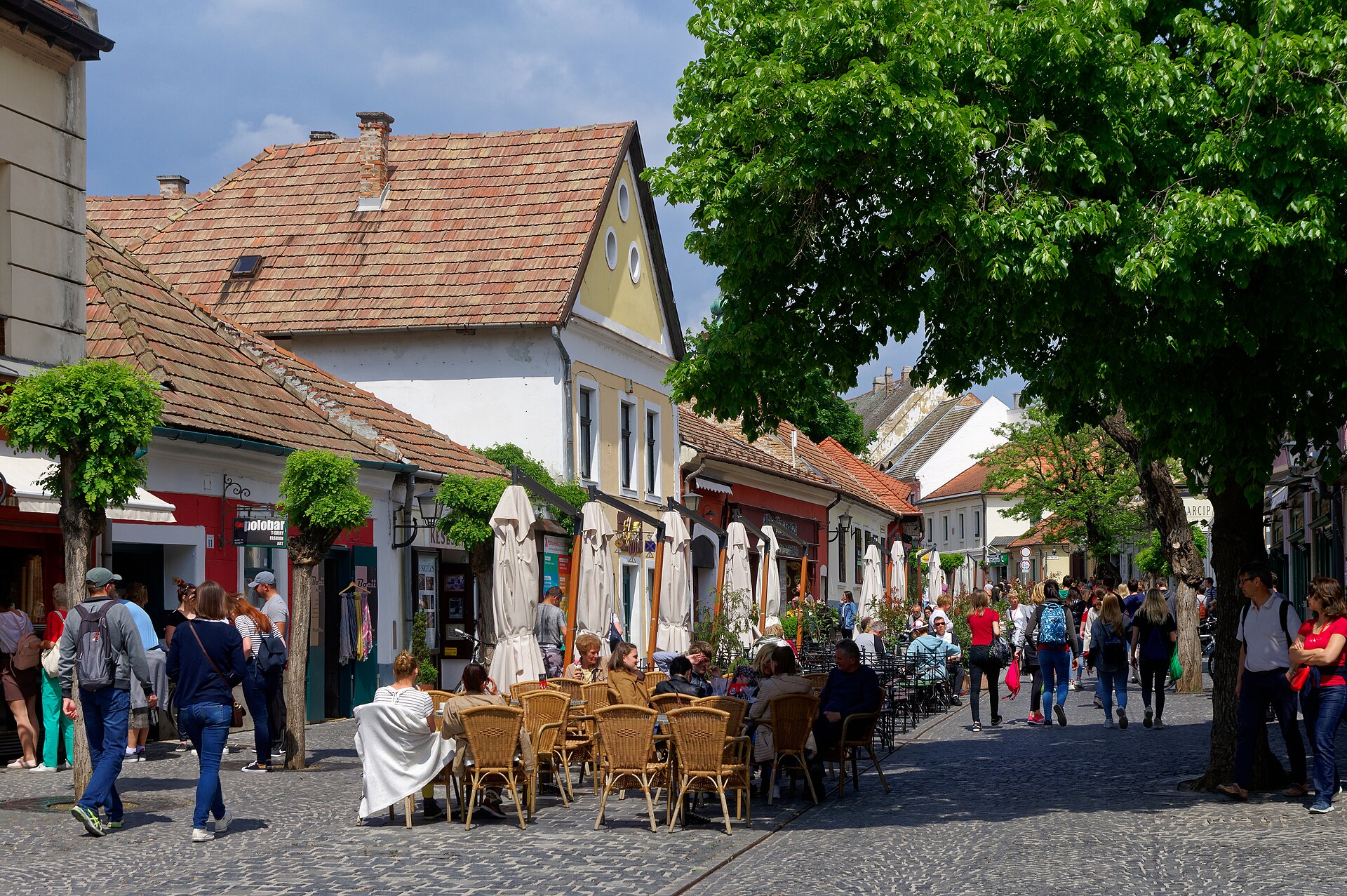
This is why Ray keeps steering people past the capital. Have you been to Lake Balaton, he asks the visitors he meets. Szentendre? Tokaj? Usually the answer is no. Budapest pulls you in and sends you home with half the picture. The other half is a train ride away, in a town where almost no one is performing for a camera, where you cannot ask your way through and simply have to pay attention.
He makes his own small choices accordingly. When he spends money, he tries to spend it somewhere that still feels local, not as a slogan, just because those places hold something a chain cannot replace. When they vanish, something real goes with them. Look closer, and the lesson of Hungary is not in the skyline. It is in the wheelbarrow at the gate, and in deciding it is worth keeping.
Fact Check
A few points from the video, checked against the record.
In The VideoStarbucks opened at the Westin mall.
Setting It StraightHungary's first Starbucks opened at the WestEnd City Center in Budapest in June 2010. The point holds: its arrival was an early marker of the international brands that reshaped the local coffee scene. Source
Spot something off in this video?Suggest A Correction
Mentioned In This Video
Places
- SzentendreArtists' town just north of Budapest, one of the places most visitors skip.View Map
- TokajHistoric wine region in northeastern Hungary.View Map
- Lake BalatonCentral Europe's largest lake and the country's summer heart.View Map
- WestEnd City CenterBudapest mall where Hungary's first Starbucks opened in 2010.View Map
Want The Full Transcript?
Get a clean, printable PDF of this video's transcript. Drop your email and we'll send it over.

Share This Story
Point a phone camera at the code to open this page, or download it to share anywhere.
Download QRWhich Place Beyond Budapest Deserves A Closer Look?
Tell Ray
Share Or Use This Story
Pass It On. Give It A New Audience.
Share the link with someone who would enjoy it, or use the cover and suggested caption to introduce the story.
Get The Cover And Caption
 Download Landscape Cover ↓Request Permission To Republish →
Sharing a link is welcome. Republishing the article, video, or images requires permission.