
Discovering Debrecen, One Conversation At A Time
A day in Debrecen with Hungarian food journalists gave me a reason to look east from Budapest. At Next Bistro, a conversation with Szilvia and a waiter’s goulash recommendation made the language gap feel smaller.
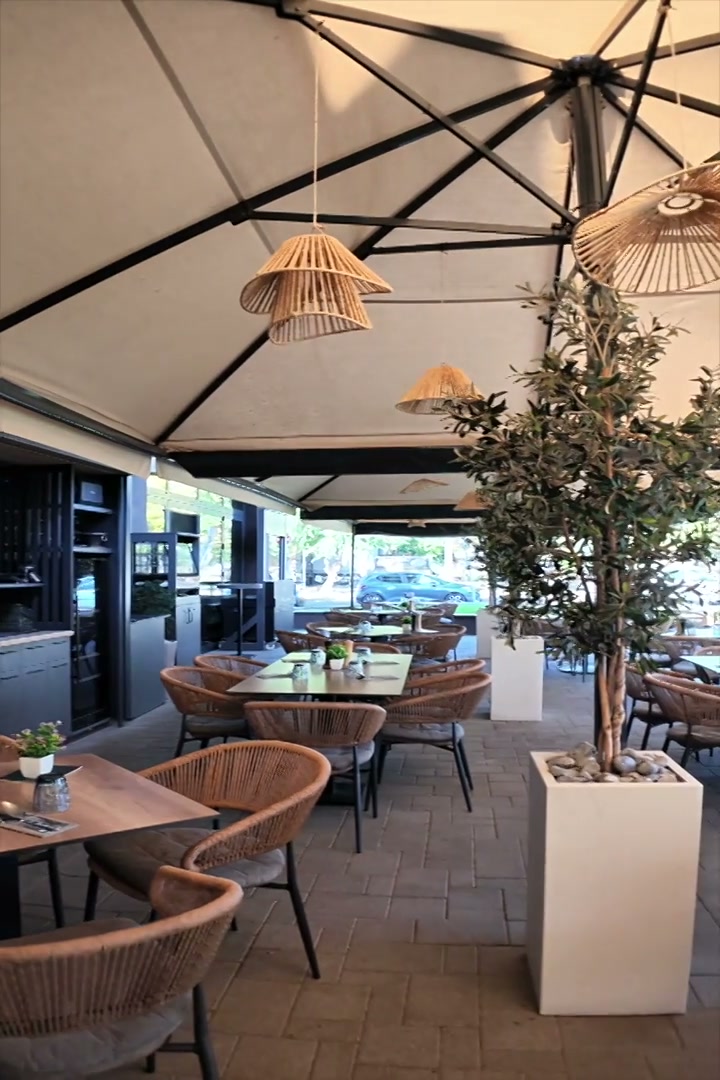
Next Bistro, Bolyai Utca 2., Debrecen
Notes
When I think back to Debrecen, I think about a conversation. I was there with Hungarian food journalists, spending much of the day around a language I could only partly follow. Talking with Ozorai Szilvia of Arteregó gave me a point of connection. It is the moment I come back to when someone asks what made me feel included.
Living in Budapest as an American, I can get comfortable with the Hungary I already know. An invitation gives me a reason to widen that picture. On October 1, Alpár Kató of Daily News Hungary helped bring me along on a hosted press trip to Next Bistro In Debrecen. The restaurant gave us somewhere to gather. The people made the day worth remembering.
When Debrecen’s Wealth Walked West
The steak in the video has a much older story behind it. In the 16th century, Debrecen’s merchants grazed large cattle herds on the Hortobágy and sold them into southern and western Europe. The National Park’s Account records one striking example: the merchant Gáspár Bíró was said to have herds numbering 10,000 cattle.
Imagine moving that wealth without a livestock truck. The animals had to walk, and men had to get them to market alive. The long-distance drovers, known as hajdúk, accompanied cattle along a network reaching Vienna, Nuremberg and even Venice. Debrecen was an important centre in that trade, alongside other towns. Its prosperity depended on the grass beyond the city and the buyers far beyond Hungary.
The city had already gained market-town privileges in 1361. On April 11, 1693, Leopold I granted it free royal city status, a milestone documented by the Hungarian National Archives. Those dates give some weight to the idea of Debrecen as a city with its own standing. Trade and a growing measure of self-government had been shaping it for centuries.
A Place Hungary Turned To
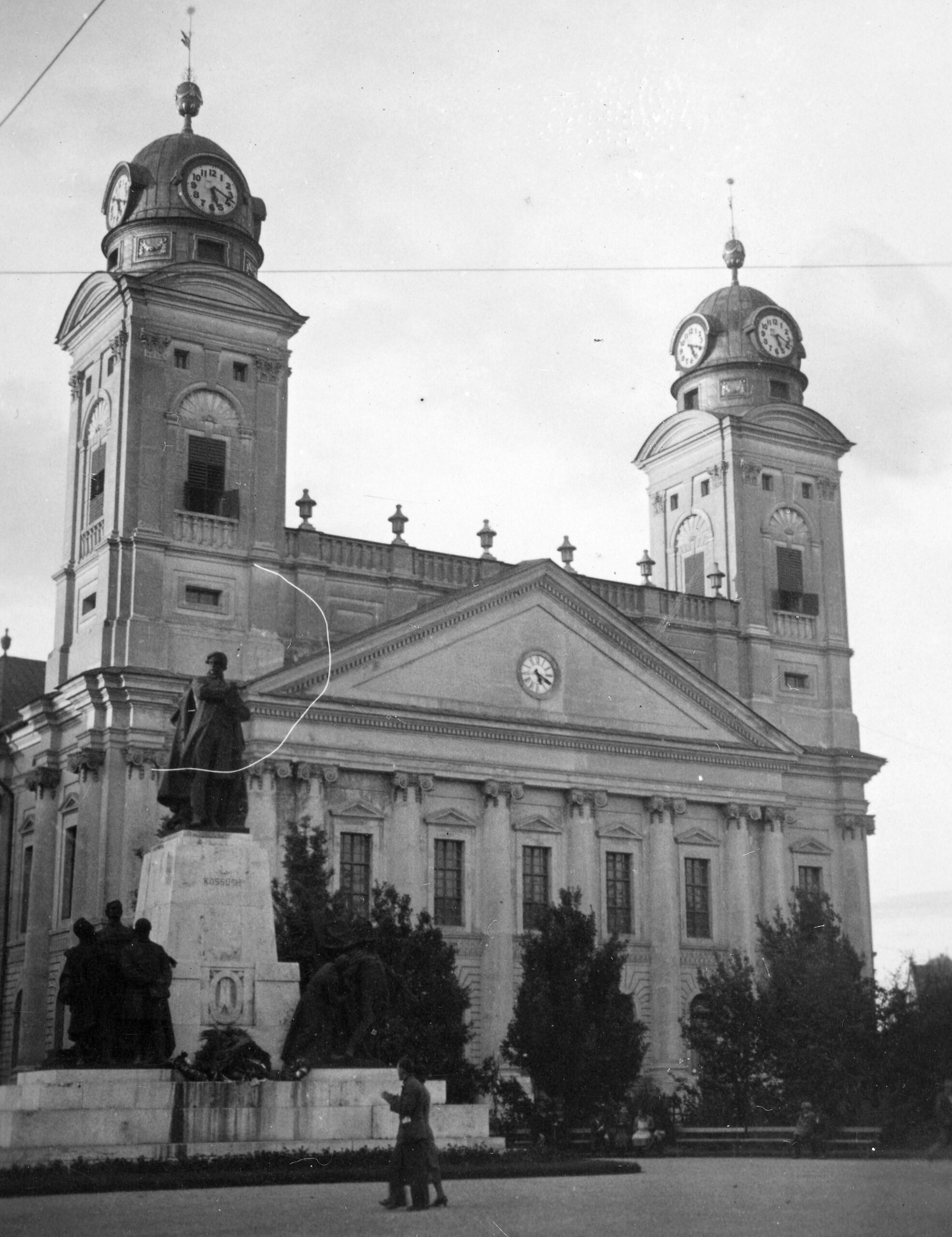
Debrecen also became a place where the country’s future was argued over. On January 7, 1849, during the revolution and war of independence, the Hungarian government moved its headquarters here. On April 14, Lajos Kossuth proclaimed the Declaration of Independence in the Great Reformed Church, breaking with Habsburg rule. The chair associated with Kossuth’s appearance is still preserved there.
That was a brief, extraordinary moment in the city’s life, and the independence struggle ended in defeat later that year. But it changes how you read Debrecen on a map. A city you might approach as a day trip from Budapest once became the seat of Hungary’s government in a national crisis.
The History Across From Lunch
There is another strand much closer to our table at Next Bistro, beside the Nagyerdő and the university. Debrecen’s educational tradition reaches back to the founding of its Reformed College in 1538. The modern state university was established in 1912 and began teaching in 1914, initially using the college and other premises. Its main building opened in 1932.
The University’s Own History describes the city contributing land in the Great Forest and millions of golden koronas toward the new institution. The campus was an investment in what Debrecen could become. That makes the university in the video more than a handsome building across the way: it belongs to a long commitment to learning, with roots nearly five centuries deep.
I was there for a meal and a conversation, so I am not pretending this was a tour of every chapter of the city’s history. Learning that backdrop gives the afternoon more depth. The people I met were welcoming me into a place that had been trading, teaching and making its own decisions long before I arrived.
You Can Miss Words And Still Take Part
Being surrounded by Hungarian does not bother me as much as someone might expect. I am comfortable arriving without knowing exactly how the day will unfold. But there is a difference between being comfortable in a room and feeling involved in it.
The conversation with Szilvia brought that second feeling. She is a partner at the communications agency Arteregó, and talking with her became a highlight of the visit. I cannot give you a grand theory of Hungarian hospitality from one afternoon. I can tell you that, on this afternoon, I felt welcome.
Language is part of how people meet. So is the willingness to make room for someone who cannot follow everything. A person translates a little, someone switches to English, a conversation opens up. Those small things can change how you remember a place.
A Bowl Of Goulash And A Place To Gather
One of the waiters recommended the goulash soup. It was awesome. That detail has stayed with me alongside the larger meal we shared.
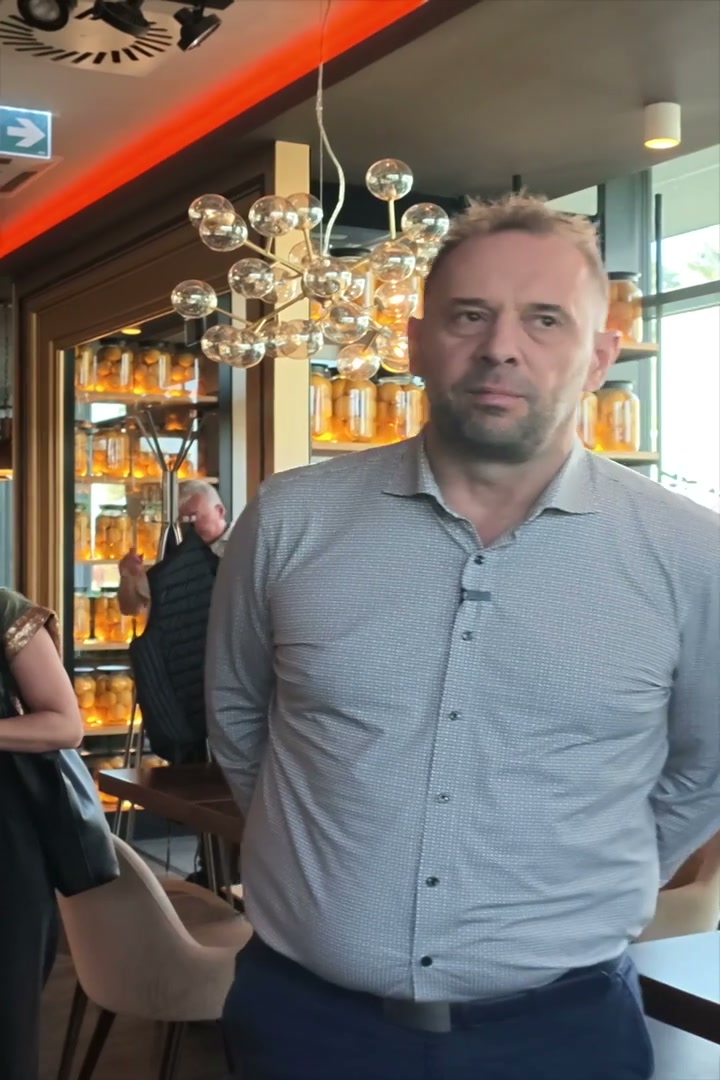
Next Bistro’s owner, Albert István, calls his approach “fine bistro.” In an earlier Dining Guide interview, he explained the importance of building a local following in a city where guests are sensitive to price. I appreciated hearing how he thinks about his own city, and seeing the kitchen he was willing to show us.
The meal’s Hortobágy Angus also gave the visit a local connection. Today’s beef producer is a very different enterprise from the old cattle trade, but food still offers a way into the region: a name on a plate becomes a reason to learn about the place around it.
I came away with a little more of Debrecen in my picture of Hungary. There is Albert and his restaurant, a waiter whose recommendation I was glad to take, and Szilvia, whose conversation helped me feel part of the day. That is somewhere to begin the next time I look east.
Visit disclosure: I attended Next Bistro on October 1, 2026, as part of a hosted press trip.

Fact Check
A few points from the video, checked against the record.
In The VideoThe men who drove the cattle to Vienna, Nuremberg and Venice were called gulyás, cowboys. Debrecen was the town they drove them out of.
Setting It StraightThe beef-trade connection is real, but the video compresses two roles and a wider network. Gulyás means cattle herder; historical accounts identify the long-distance drovers as hajdúk. Debrecen was one important trading centre among several, rather than the sole departure point. Source
In The VideoYou pick your own steak from a dry-aging cabinet and either let the kitchen cook it or grill it yourself.
Setting It StraightNext offers steak selection and a separate table-grilling experience. Its current description of yakiniku specifies bite-size wagyu and Angus cooked on a tabletop charcoal grill. The video makes these options sound interchangeable; check with the restaurant about which cuts are available for each. Source
In The VideoAlbert told us 90% of people in Budapest won’t make the drive to Debrecen.
Setting It StraightThis is Albert’s estimate as reported in the video, not a verified survey result. It should be read as his impression of how difficult it is to attract visitors from Budapest. The video also describes our own journey as two and a half hours each way; the later two-hour comparison is approximate. Source
Spot something off in this video?Suggest A Correction
Mentioned In This Video
Places
- Visit DebrecenThe city tourism listing places Next Bistro in the university district.View Map
- Great Reformed ChurchSite of Kossuth’s proclamation of Hungarian independence on April 14, 1849.View Map
- University Of DebrecenInstitutional history connecting the 1538 Reformed College, the 1912 university foundation and the 1932 main building.View Map
Restaurants & Cafés
- Next BistroAlbert István’s restaurant beside Debrecen’s Nagyerdő, at Bolyai utca 2.View Map
People
- Albert IstvánOwner of Next Bistro. His Dining Guide interview explains the fine bistro concept and the pandemic opening.
- Ozorai Szilvia / ArteregóPartner at the communications agency Arteregó. Our conversation was a highlight of the visit.
- Alpár Kató / Daily News HungaryFounder of Daily News Hungary, who helped arrange my participation in the press trip.
Businesses
- Hortobágy AngusHungarian Angus producer supplying beef raised in the Hortobágy region.
Sources & References
- Next Bistro MenuCurrent dishes, steak selection and prices. Consult the live menu before visiting.
- Hortobágy Cattle-Trade HistoryThe national park documents Debrecen merchants’ 16th-century herds and the drovers who took cattle to European markets.
- Debrecen’s Royal CharterHungarian National Archives account of the 1361 privileges and the April 11, 1693 grant of free royal city status.
- Debrecen’s Old Town HallThe city tourism authority records the government’s move to Debrecen on January 7, 1849.
Want The Full Transcript?
Get a clean, printable PDF of this video's transcript. Drop your email and we'll send it over.

Share This Story
Point a phone camera at the code to open this page, or download it to share anywhere.
Download QRWhere Should I Go Next In Debrecen?
Tell Ray
Share Or Use This Story
Pass It On. Give It A New Audience.
Share the link with someone who would enjoy it, or use the cover and suggested caption to introduce the story.
Get The Cover And Caption
 Download Landscape Cover ↓Request Permission To Republish →
Sharing a link is welcome. Republishing the article, video, or images requires permission.